+86-512-52396378
sales@szuniking.com
sales@szuniking.com
1 Longteng Rd, Tonggang Industrial Park, Changshu ETDZ, Jiangsu Province, China 215511
Views: 0 Author: Site Editor Publish Time: 2026-10-01 Origin: Site


Do standard plastics fail under extreme conditions? In today’s advanced manufacturing landscape, off-the-shelf raw resins often fall short. Whether surviving blistering temperatures under a car hood, resisting electrical fires in consumer electronics, or providing lightweight structural support in aerospace, standard polymers simply lack the required strength. Specialty compounding solves this exact problem. By meticulously blending base resins with specific additives, modifiers, and reinforcements, manufacturers create highly customized materials tailored to exact performance specifications. Here, you will discover the intricate science behind custom material formulations and explore how thermoplastic compounding works at a commercial scale.
Key Takeaways:
Definition: Specialty compounding is the highly technical process of melting and blending base polymers with precise additives to create custom plastic materials with enhanced physical, thermal, or electrical properties.
Core Technology: Thermoplastic compounding allows materials to be melted, reshaped, and cooled multiple times. This makes it an ideal and scalable solution for high-performance manufacturing.
Advanced Formulations: Engineered solutions bridge the gap between traditional plastics and metals. They solve specific industry challenges ranging from structural integrity to fire safety.
Strategic Sourcing: Choosing a specialized manufacturing partner ensures high-quality, consistent, and customized polymer composite materials tailored to your exact application needs and regulatory requirements.
Recent market data reveals a massive transformation in the global polymer sector. Driven by the explosive growth of the electric vehicle market and stringent global environmental regulations, there is unprecedented demand for lightweight, high-performance composites. Manufacturers are rapidly moving away from heavy metal components. Instead, they rely on advanced thermoplastic formulations that offer superior strength-to-weight ratios. The push for a circular economy has also accelerated the development of eco-friendly, non-halogenated additives. These modern innovations maintain absolute mechanical integrity while meeting rigid environmental compliance standards like RoHS and REACH.
In the realm of advanced manufacturing, basic plastics are rarely sufficient for high-stress applications. Imagine a sensor housing exposed to scorching desert heat and abrasive sand. Standard materials would degrade in a matter of weeks. To truly grasp the value of this process, one must first recognize the stark difference between raw base resins and compounded plastics. Raw materials such as standard polycarbonate, polyamide, or polypropylene serve merely as a blank canvas. While they possess inherent baseline properties, they frequently lack the durability, thermal resistance, or aesthetic qualities required for specialized industrial use.
Specialty compounding is a rigorous science. It blends these base polymers with a precise recipe of additives, modifiers, and reinforcements. This transformative process elevates a generic plastic into a highly specialized engineering material. Polymer chemists and material engineers carefully select additives such as UV stabilizers to prevent solar degradation, antioxidants to halt thermal aging, and colorants for accurate brand matching. The primary goal is to alter the physical, thermal, electrical, or aesthetic properties of a plastic to solve a distinct engineering challenge. Whether the objective is to render a plastic part conductive, highly resistant to impact, or capable of surviving continuous exposure to harsh chemicals, customized formulations provide the definitive answer.
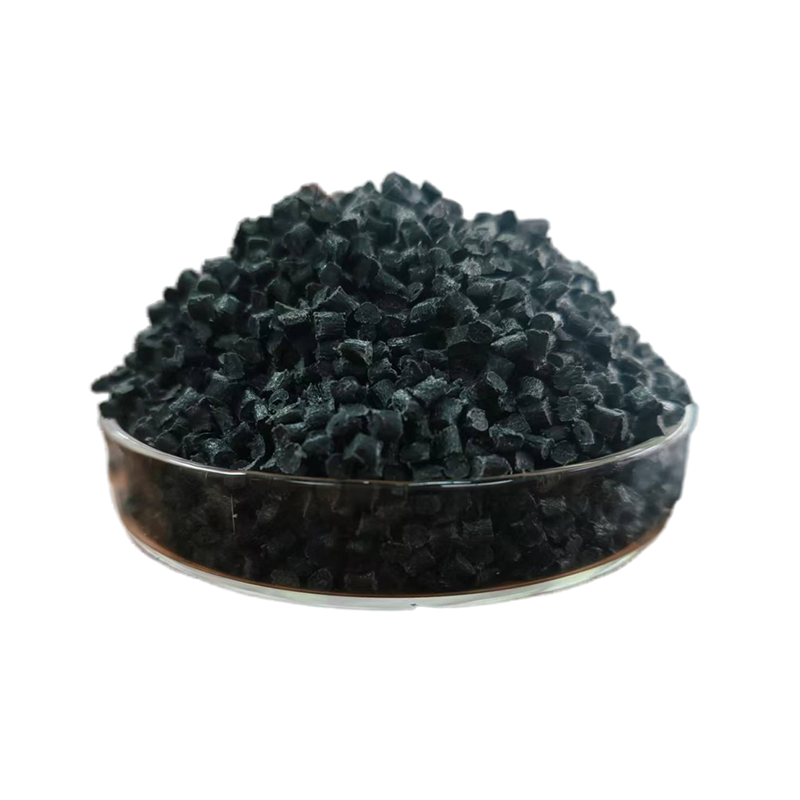
At the heart of the specialty plastics industry lies thermoplastic compounding. Thermoplastics are a unique class of polymers that become pliable at elevated temperatures and solidify upon cooling. In contrast to thermosetting plastics, which undergo a permanent chemical change when heated and cannot be remelted, thermoplastics can be melted, reshaped, and recycled multiple times without significantly losing their mechanical integrity. This characteristic makes them exceptionally valuable for scalable, high-performance manufacturing.
From an engineering perspective, the actual production process is highly controlled and relies heavily on advanced extrusion technology. The workflow operates through continuous, precise phases. Operators utilize gravimetric feeders to accurately drop exact ratios of raw polymer pellets, powders, and specific additives into the hopper of a twin-screw extruder. As the materials enter the rotating screws, they are subjected to intense mechanical shear and heat. This melts the polymer and ensures a perfectly uniform dispersion of the additives throughout the matrix. Once the molten plastic mixture exits the extruder die in the form of continuous strands, it is rapidly cooled in a temperature-controlled water bath. Finally, the solidified strands are chopped into uniform, cylindrical pellets by a pelletizer.
This sophisticated workflow matters immensely. It enables the high-volume production of consistent, premium materials. End-users receive these ready-to-use pellets and can directly feed them into their own injection molding machinery to manufacture final parts effortlessly.
Demanding industries require custom formulations that push the boundaries of material science. By understanding the foundational principles of polymer composite materials, engineers can leverage several critical formulations utilized in modern manufacturing.
Standard plastics are frequently upgraded to engineering grade through specialized engineering plastic compounding. This category focuses heavily on drastically improving mechanical strength, chemical resistance, and thermal stability. By alloying different polymers or adding impact modifiers, engineers create robust materials that bridge the performance gap between traditional plastics and metals. Applications for these durable composites are vast. They range from heavy-duty industrial gears to protective housings for power tools that must survive thousands of hours of intense vibration and wear.
One of the most effective methods to enhance a polymer is through the addition of structural reinforcements. Incorporating microscopic glass fibers into the polymer matrix during the extrusion process acts as an internal skeleton. The power of this reinforcement is substantial. For example, utilizing a 30% glass fiber reinforced PP material drastically increases the material's tensile strength, overall stiffness, and dimensional stability compared to neat polypropylene. These glass fiber reinforced thermoplastics play a pivotal role in the modern lightweighting movement, allowing manufacturers to replace heavy metal brackets and engine covers without compromising structural integrity.
In environments where electrical currents or extreme temperatures are present, safety remains the absolute priority. Specialized compounds are meticulously engineered to resist ignition, slow down the spread of fire, and self-extinguish when the heat source is removed. This critical safety feature is achieved by incorporating highly specialized additives into the base resin. Strict adherence to UL94 V-0 flammability standards makes these flame retardant polymer compounds non-negotiable in consumer electronics, wire insulation, and building construction materials.
To clearly illustrate the engineering value of custom formulations, consider the direct performance differences between raw resins and engineered compounds.
Performance Metric | Standard Base Resin | Specialty Compound | Industrial Benefit |
|---|---|---|---|
Tensile Strength | Low to Moderate | Exceptionally High | Replaces die-cast metals, reducing part weight. |
Thermal Stability | Deforms under high heat | Maintains integrity at extreme temps | Prevents failure in automotive engine compartments. |
Flame Retardancy | Highly flammable | Self-extinguishing V-0 rating | Prevents electrical fires in consumer electronics. |
Dimensional Stability | Prone to shrinkage and warping | Ultra-low shrinkage | Ensures tight tolerances for precision medical devices. |
The versatility of specialized polymers means they touch nearly every sector of the global economy. Certain industries rely heavily on these custom materials to meet uncompromising regulatory and performance benchmarks.
Automotive and Transportation: The automotive sector is transitioning rapidly toward electric mobility. This seismic shift requires materials capable of handling high voltages, resisting battery thermal runaway, and reducing overall vehicle weight. Engineers frequently utilize reinforced thermoplastics for under-the-hood components, lightweight structural frames, and EV battery housings to maximize efficiency and safety.
Electrical and Electronics: As consumer devices become smaller, more powerful, and hotter, the electronics sector demands materials with exceptional dielectric strength. Applications include server housings, electrical connectors, and smart home switches that prevent short circuits and dissipate heat efficiently.
Medical Devices: The healthcare industry requires materials that are not only biocompatible but also chemically inert. Custom formulations are designed to withstand repeated, harsh sterilization processes such as autoclaving or continuous gamma radiation. This makes them ideal for surgical tool handles and diagnostic equipment housings.
Producing premium polymer blends is a delicate balance of advanced chemistry and rigorous manufacturing protocols. Quality and batch-to-batch consistency are the true hallmarks of a reputable operation.
The journey begins in the research and development phase. When a customer presents a unique material challenge, such as a drone chassis needing to withstand high-impact crashes in sub-zero environments, polymer engineers do not rely on guesswork. They design a custom recipe based on empirical data, calculating the exact melt temperatures, shear rates, and additive ratios required. State-of-the-art, co-rotating twin-screw extruders take over. These sophisticated machines provide the precise distributive and dispersive mixing necessary to ensure that microscopic additives are perfectly homogenized throughout the matrix. Poor mixing inevitably leads to weak spots in the final plastic part, which is entirely unacceptable in high-stakes engineering applications.
Comprehensive analytical testing guarantees the material's viability. A stringent quality control protocol evaluates tensile strength, Izod impact resistance, melt flow index, and thermal stability. This exhaustive approach ensures that a batch produced in January performs identically to one manufactured in December.
For procurement managers and product engineers, selecting a manufacturing partner is a critical supply chain decision. It directly impacts product performance and bottom-line profitability. Purchasing generic resin from a distributor is vastly different from collaborating with a custom compounder. Use this engineering criteria to evaluate potential partners.
Assess Customization Capabilities: A capable partner will evaluate your exact application requirements. They must analyze continuous use temperatures, chemical exposure, and mechanical stress to formulate a bespoke matrix tailored to your exact tooling and melt flow index requirements.
Verify Technical Expertise and Testing: The true value of a specialized manufacturer lies in their robust in-house laboratory. These experts help troubleshoot mold flow issues, optimize formulations for cost-efficiency, and provide material data sheets backed by legitimate empirical testing.
Evaluate Scalability and Lead Times: Product development often begins with small pilot runs for prototyping before escalating to massive commercial production. Ensure the supplier possesses the equipment flexibility to handle both extremes seamlessly without triggering supply chain bottlenecks.
Check Regulatory Compliance: In highly regulated sectors, your material supplier must hold relevant ISO quality management certifications. They must guarantee that their products comply with global directives like RoHS, REACH, and UL standards.
Navigating the complexities of material science requires a partner with proven expertise and a commitment to innovation. We understand that your products operate in demanding environments where failure is simply not an option. We focus on engineering material solutions that address the most rigorous physical, thermal, and electrical challenges.
Our extensive product portfolio showcases our ability to engineer and manufacture high-end reinforced composites, wear-resistant materials, and stringent flame retardant compounds. We do not merely supply plastic pellets. We deliver engineered solutions designed to optimize your manufacturing process, reduce part weight, and ensure total regulatory compliance. Whether you are developing the next generation of electric vehicle components or designing safer consumer electronics, the right material makes all the difference. We encourage you to explore our full range of customized polymer solutions or contact our technical team directly for a comprehensive material consultation.
Specialty compounding continues to solve the most complex manufacturing challenges of our time. By transforming basic plastics into highly advanced, customized materials, this sophisticated process pushes the boundaries of what polymers can achieve. Whether a specific project demands extreme heat resistance, unparalleled structural rigidity, or strict fire safety compliance, thermoplastic compounding provides a reliable, scalable, and tailored solution. Do not let subpar materials limit your engineering potential. Reach out today to discuss your specific material challenges and discover how custom-engineered polymers can elevate your next groundbreaking product.
A masterbatch is a highly concentrated additive or colorant encapsulated in a carrier resin, which must be diluted into a bulk base resin by the manufacturer during the final injection molding or extrusion process. This forces the molder to rely on their own equipment for proper mixing. In contrast, specialty compounding is a fully integrated process that creates a finished, ready-to-use pellet. The facility melts and blends the exact ratio of base resin, colorants, and reinforcements, ensuring perfect dispersion and eliminating the risk of uneven mixing at the molding stage.
These reinforced materials offer a vastly superior strength-to-weight ratio compared to traditional metals like steel or die-cast aluminum. They provide the necessary structural integrity, high tensile strength, and durability required for demanding applications while remaining significantly lighter. This weight reduction is crucial in industries like automotive and aerospace for improving fuel efficiency. Reinforced plastics are inherently resistant to corrosion, and they allow for complex part consolidation, which drastically reduces overall manufacturing and tooling costs.
Yes, the industry has made significant, scientifically backed advancements in developing eco-friendly formulations. While older flame retardants relied heavily on halogenated chemicals that raised toxicity concerns, modern compounding utilizes advanced non-halogenated systems. These sophisticated formulations provide excellent fire resistance and self-extinguishing properties without releasing highly toxic or corrosive gases when exposed to intense heat, thereby meeting strict global environmental and safety regulations such as RoHS.
The development timeline varies based on the technical complexity of the application and the stringency of the required testing. Collaborating with an experienced compounding partner equipped with a robust research and development infrastructure typically accelerates the process. A standard development cycle encompassing requirements gathering, formulation design, rapid prototyping, and customer validation can often condense development time from several months to just a few weeks.
Thermoplastic compounding inherently supports sustainability because these materials can be repeatedly melted, reshaped, and recycled without a complete loss of their chemical structure. Facilities can engineer sustainable solutions by incorporating post-consumer or post-industrial recycled resins into new formulations. By carefully blending these recycled materials with virgin resins and stabilizing additives, compounders restore the mechanical properties, creating high-performance, eco-friendly materials that minimize landfill waste.
Minimum order quantities depend entirely on the manufacturing partner and the complexity of the custom formulation. While large-scale resin distributors often require massive bulk orders, specialized compounding facilities are typically equipped with versatile twin-screw extruders. This flexibility allows them to accommodate smaller pilot runs for prototyping and testing, often starting around a few hundred kilograms, before seamlessly scaling up to full commercial production volumes.
Additives fundamentally alter the molecular behavior of the base polymer matrix. Impact modifiers absorb and dissipate energy to prevent brittle fractures, while structural reinforcements like glass or carbon fibers drastically increase tensile modulus and stiffness. Conversely, plasticizers can be introduced to increase flexibility. An experienced polymer engineer calculates the precise ratio of these additives to ensure that enhancing one property does not inadvertently degrade another critical performance metric.