+86-512-52396378
sales@szuniking.com
sales@szuniking.com
1 Longteng Rd, Tonggang Industrial Park, Changshu ETDZ, Jiangsu Province, China 215511
Views: 0 Author: Site Editor Publish Time: 2026-10-26 Origin: Site


A single spark on a printed circuit board can bring an entire assembly line to a dead stop. Fire safety in modern manufacturing goes far beyond checking a regulatory box. It acts as the absolute backbone of reliable product design. Engineers constantly face the challenge of mitigating fire propagation risks. This applies whether you are molding complex enclosures for consumer electronics, structural brackets for automotive systems, or high-voltage insulators for industrial machinery.
Specifying the correct polymer resin on your bill of materials prevents catastrophic compliance failures. However, navigating the nuances between various flammability classifications often frustrates procurement teams. Pick a material with inadequate fire resistance, and you invite severe safety hazards alongside million-dollar product recalls. Over-specify the resin, and your production budget balloons unnecessarily.
In this technical breakdown, we dissect the practical differences between the V-0, V-1, and V-2 classifications. We will focus heavily on the strict UL 94 V-0 rating to help you make empirical, cost-effective material choices for your next production run.
UL 94 serves as a critical safety baseline: It provides an objective measurement of how a plastic reacts to an open flame, specifically evaluating its ability to self-extinguish and prevent fire spread.
The UL 94 V-0 rating is the highest vertical burn standard: Materials achieving this rigorous classification stop burning within 10 seconds of flame removal. They absolutely do not release any flaming drips.
V-1 and V-2 offer varying protection levels: V-1 materials stop burning within 30 seconds without flaming drips. In contrast, V-2 materials extinguish within 30 seconds but allow melting, flaming drips that can ignite a cotton indicator below.
Strategic material selection is paramount: Utilizing advanced engineering plastics like halogen-free compounds and specialized polymer alloys ensures strict regulatory compliance while protecting end-user safety.
Understanding the foundational principles of material flammability remains a non-negotiable aspect of modern mechanical and electrical engineering. The UL 94 standard acts as the universal benchmark for evaluating how plastic polymers behave when exposed to unexpected ignition sources.
Underwriters Laboratories operates as an independent safety science organization founded to standardize product testing. The UL 94 standard was specifically developed to evaluate the flammability of plastic materials used for internal parts and external housings. Its primary objective is to determine a material’s tendency to either extinguish a localized fire or act as fuel once ignited.
The standard categorizes plastics based on two primary testing orientations. Horizontal burn testing evaluates materials in a flat position to ensure the burn rate stays within specific limits. Because flames naturally travel upward, vertical burn testing is significantly more stringent. These vertical tests determine the V-0, V-1, and V-2 classifications. Such ratings are critical for components housed in enclosed spaces where thermal runaway poses an immediate risk.
Analyzing recent industry trajectories reveals a massive paradigm shift in material safety protocols. The explosive growth of the electric vehicle sector and the relentless miniaturization of high-density consumer electronics have drastically increased the thermal load placed on plastic components. Market data highlights a surging demand for advanced, ultra-thin polymers capable of maintaining strict V-0 compliance at wall thicknesses as low as 0.8 mm.
Furthermore, global sustainability mandates are forcing a rapid transition away from legacy brominated chemicals. Regulatory bodies increasingly favor eco-friendly alternatives. This trend underscores a broader manufacturing movement toward balancing uncompromising fire safety with sustainable production practices, pushing polymer scientists to develop smarter intumescent additive packages.
To make informed procurement decisions, buyers and engineers must understand the exact laboratory conditions these plastics endure. The vertical burn test is a highly controlled procedural evaluation designed to simulate a worst-case ignition scenario on the factory floor or in the field.
Picture a strictly controlled testing chamber. Technicians suspend precisely molded plastic specimens measuring 5 inches in length by 0.5 inches in width inside a vertical clamp. The thickness of the specimen represents a critical variable. Labs test materials at specific dimensions like 3.2 mm, 1.6 mm, or 0.8 mm. A material might easily pass a stringent rating at a thicker dimension but fail when molded thinner. Therefore, a verified safety rating is always inextricably linked to the tested thickness.
Exactly 12 inches below the lower edge of the plastic sample rests a layer of dry, surgical-grade cotton. This cotton serves as a highly sensitive indicator. It captures any melting, flaming drips that could spark a secondary fire inside a server rack or a consumer appliance.
The ignition source is a calibrated Bunsen burner producing a precise 20 mm high blue flame. The technician applies this intense thermal energy directly to the bottom edge of the suspended plastic specimen for exactly 10 seconds. Once the 10 seconds elapse, the burner is pulled away. Observers immediately record the afterflame time t1, which is the exact duration the material continues to burn with a visible flame.
As soon as the material self-extinguishes, the burner is reapplied for a second 10-second interval. Upon removal, the technician records the second afterflame time t2 and the afterglow time t3. The afterglow time measures how long the plastic glows red-hot without a visible flame. Throughout this sequence, observers watch closely to see if any melting plastic drips from the specimen and whether those drips ignite the surgical cotton below. These precise metrics form the empirical basis for assigning a final safety classification.
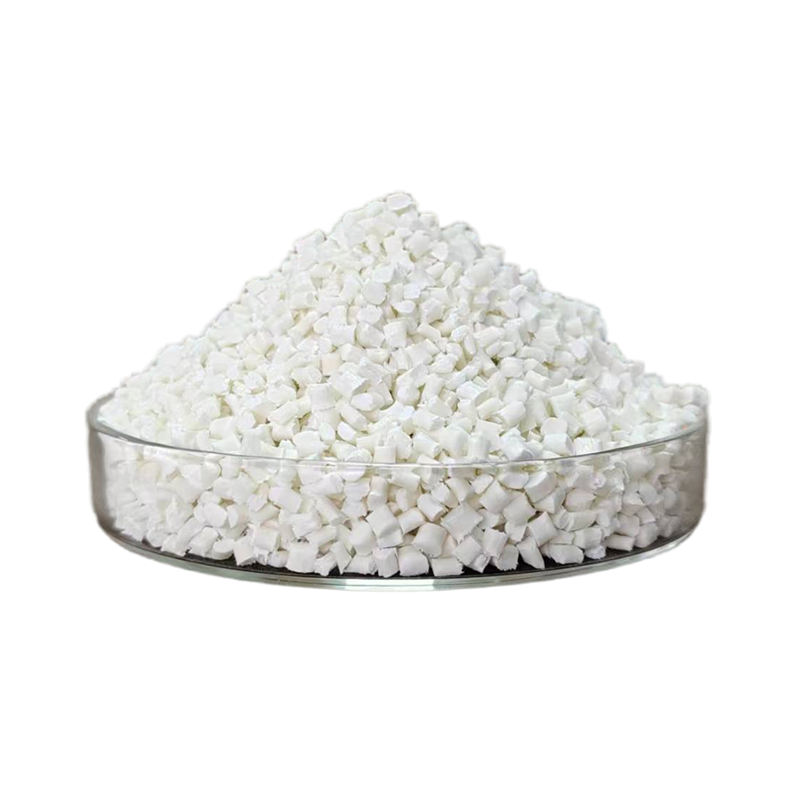
Navigating the technical nuances between the three primary vertical burn ratings is crucial for selecting the appropriate polymer for your specific application. Below is a detailed comparative breakdown of the criteria for each classification.
Testing Metric | UL 94 V-0 | UL 94 V-1 | UL 94 V-2 |
|---|---|---|---|
Max Afterflame Time per specimen | ≤ 10 seconds | ≤ 30 seconds | ≤ 30 seconds |
Total Afterflame Time for 5 specimens | ≤ 50 seconds | ≤ 250 seconds | ≤ 250 seconds |
Max Afterflame plus Afterglow per specimen | ≤ 30 seconds | ≤ 60 seconds | ≤ 60 seconds |
Flaming Drips that Ignite Cotton Allowed? | No | No | Yes |
Specimen Burned up to the Holding Clamp? | No | No | No |
The UL 94 V-0 rating represents the absolute pinnacle of safety within the standard vertical burn test. For a material to achieve this rigorous classification, it must demonstrate exceptional self-extinguishing properties. Upon removal of the ignition source, the visible flame must die out within a mere 10 seconds. Furthermore, when testing a batch of five specimens, the cumulative burn time cannot exceed 50 seconds.
Most importantly, a V-0 material is strictly prohibited from releasing any flaming drips that ignite the cotton indicator beneath it. While the plastic may melt and drip under extreme heat, those droplets must be completely extinguished before they fall. This standard is mandatory for high-risk environments like high-voltage electrical connectors, server rack housings, and electric vehicle battery modules. In these scenarios, secondary ignition could trigger catastrophic facility fires.
Offering a robust level of fire safety, the UL 94 V-1 rating allows for a slightly wider self-extinguishing window compared to V-0. Materials falling into this category must stop burning within 30 seconds after the flame is removed. The total cumulative burn time for five specimens extends to a maximum of 250 seconds.
Similar to the V-0 tier, V-1 materials are absolutely forbidden from producing flaming drips that ignite the cotton below. The primary distinction lies solely in the duration the material is permitted to sustain a flame. V-1 rated plastics are highly acceptable in scenarios where the component sits within a secondary protective enclosure. They also work well in medium-voltage applications where the risk of sustained electrical arcing remains low.
The UL 94 V-2 rating shares the exact same extinguishing time criteria as V-1. The flame must go out within 30 seconds, and the total burn time for five samples must remain under 250 seconds. The critical dividing line that separates V-2 from the higher echelons of safety is its behavior regarding melting and dripping.
V-2 materials are permitted to release flaming drips that successfully ignite the surgical cotton positioned below the specimen. This indicates that while the plastic itself will eventually stop burning, it poses a tangible risk of secondary ignition to surrounding combustible materials. Utilizing V-2 plastics often involves a careful cost-benefit analysis. Engineers typically relegate them to less critical components, low-voltage consumer goods, or internal structural parts where the overall product design safely contains any potential drips.
Selecting the highest standard of flame retardancy transcends basic technical specifications. It is a strategic business decision that deeply impacts legal standing, product viability, and brand trust. Investing in premium materials at the design phase actively prevents costly downstream consequences.
In today's heavily regulated manufacturing landscape, compliance is fiercely enforced by international bodies, customs agencies, and safety commissions. Integrating a certified UL 94 V-0 flame retardant plastic ensures that your final product meets the uncompromising requirements set forth by organizations like the International Electrotechnical Commission and the National Electrical Manufacturers Association.
Failure to specify compliant materials exposes manufacturers to immense legal liability. If a product causes property damage or personal injury due to inadequate fire resistance, the manufacturer faces devastating lawsuits and forced global product recalls. By standardizing on V-0 rated materials for critical components, procurement teams establish a verifiable paper trail of due diligence. This effectively shields the company from compliance-related litigation.
Beyond strict legal obligations, the ultimate goal of flammability standards is the preservation of human life. Premium flame retardancy engineered directly into the molecular structure of the plastic prevents localized thermal events from escalating into full-blown disasters. In consumer electronics, a failing battery or a short-circuiting capacitor generates intense concentrated heat. A V-0 rated enclosure will contain that thermal energy, self-extinguish the spark, and prevent the device from bursting into flames in a user's hands.
This level of built-in reliability directly influences brand reputation. In an era where product failures are instantly broadcast across social media platforms, a single fire-related incident can irreparably damage decades of consumer trust. Prioritizing end-user safety through rigorous material selection positions brands as quality-focused industry leaders.
Achieving optimal flame retardancy without sacrificing structural performance requires sophisticated polymer chemistry. Material scientists compound base resins with specialized additives to meet V-0 standards flawlessly. Below are some of the most effective engineering plastics utilized in modern manufacturing facilities.
Polyamide, commonly known as Nylon, is highly regarded in the engineering world for its exceptional mechanical strength, wear resistance, and thermal stability. However, standard unmodified polyamides are inherently flammable. To achieve a stringent V-0 rating, manufacturers must incorporate advanced chemical retardants.
Historically, the industry relied heavily on halogenated flame retardants containing chlorine or bromine. While highly effective at stopping fires, these chemicals release toxic corrosive smoke and environmentally damaging dioxins when burned. Today, forward-thinking engineers specify a halogen-free flame retardant PA6. By utilizing phosphorus or nitrogen-based intumescent systems, these smart additives cause the plastic to foam and expand during a thermal event. This creates a thick insulating char layer that cuts off oxygen. High-performance variants, such as 30 percent glass fiber reinforced PA6 V0 compounds, offer exceptional tensile strength while maintaining strict V-0 compliance at 1.6 mm thicknesses. This drastically reduces the emission of toxic smoke, making it a premium solution for enclosed spaces like automotive interiors and smart home devices.
Polycarbonate is renowned for its outstanding impact resistance and optical clarity, but it can occasionally be susceptible to chemical cracking and processing difficulties. By blending Polycarbonate with Polybutylene Terephthalate or Acrylonitrile Butadiene Styrene, material engineers create highly versatile polymer alloys that offer the perfect balance of physical properties.
Specifying a flame retardant PC/PBT alloy combines the rugged toughness and heat resistance of Polycarbonate with the superior chemical resistance and dimensional stability of PBT. This makes it an exceptional choice for outdoor electrical enclosures and automotive components exposed to harsh fluctuating environments. By incorporating synergistic flame retardant packages, these alloys easily achieve V-0 compliance while maintaining their structural integrity and aesthetic finish. They brilliantly solve the traditional trade-off between safety and mechanical performance.
Choosing between V-0, V-1, and V-2 requires a systematic evaluation of your product's operational environment and economic constraints. Over-specifying inflates production budgets, while under-specifying invites unacceptable risks.
The first critical step in material selection is conducting a thorough risk assessment of the end-use application. The primary variables to consider are electrical voltage, continuous operating temperature, and proximity to potential ignition sources. Components handling high voltage or operating in high-heat environments unquestionably require a V-0 rating. Think power adapters, circuit breakers, and EV battery modules. The risk of thermal runaway is simply too high to compromise.
Conversely, components operating at low voltages or serving as external decorative casings far removed from internal power supplies may safely utilize V-1 or V-2 materials. If the internal architecture of the device includes a primary V-0 metal or plastic shield, the secondary external housing might only need a V-2 rating. This is acceptable provided that any potential flaming drips would be safely contained within the device's footprint.
Achieving a V-0 classification inherently involves complex chemical compounding. The addition of advanced flame retardants, particularly premium halogen-free compounds, increases the raw material cost. High loadings of these additives can also occasionally alter the base polymer's mechanical properties, potentially reducing impact strength or flexibility.
Engineers must balance these competing factors carefully. If a part requires extreme flexibility alongside high flame retardancy, standard V-0 compounds might prove too brittle. In these complex instances, consulting directly with a specialized material supplier is crucial. Suppliers can custom-formulate polymer blends that hit the sweet spot. They maintain the necessary tensile strength and moldability while strictly adhering to the required flammability standards.
Understanding the intricate differences between plastic flammability ratings is vital for ensuring long-term product safety and regulatory compliance. While various classifications exist, the UL 94 V-0 rating provides the highest level of vertical burn protection. It effectively stops flames in their tracks and prevents dangerous secondary drips.
Sourcing high-quality, compliant materials is the most effective way to future-proof your manufacturing projects against evolving safety standards and liability risks. By aligning your material's physical properties with the exact safety requirements of the application, you optimize both performance and production costs.
Ready to upgrade your material strategy? Visit Unikingtech to explore our custom compounding solutions. Our polymer experts will help you find the perfect flame retardant plastic tailored specifically for your next high-stakes manufacturing project.
The V-0 rating is determined by a highly stringent vertical burn test where the material must self-extinguish within 10 seconds without releasing any flaming drips. In stark contrast, HB represents the lowest flammability rating. It tests the material in a horizontal orientation and permits slow sustained burning, making HB materials entirely unsuitable for high-risk electrical applications.
Yes, incorporating heavy doses of flame retardant additives can sometimes reduce a base material's impact strength, elongation, or overall flexibility. This is precisely why advanced engineered materials, such as specific polymer alloys, are meticulously custom-compounded. They are designed to maintain excellent structural integrity while still achieving the necessary self-extinguishing properties.
Halogen-free indicates that the plastic material achieves its stringent fire safety rating without relying on halogens like chlorine or bromine. This distinction is critical because traditional halogenated flame retardants release highly toxic corrosive smoke when burned. This poses severe secondary health risks to humans and causes damage to sensitive electronic circuits nearby.
Yes, V-2 materials are frequently used in electronics, but their application is typically restricted by design. They are generally utilized in low-voltage devices, specific internal mechanical gears, or environments where the product's outer architecture guarantees that any flaming drips will not pose a secondary ignition risk to surrounding combustible materials.
While not universally mandatory for every single plastic part ever molded, UL 94 compliance is strictly required by most international safety agencies for components used in electrical appliances, consumer electronics, and automotive housings. If your product plugs into a wall or houses a high-capacity battery, passing UL 94 is essentially a mandatory prerequisite for market entry.
Flammability ratings are highly dependent on the wall thickness of the molded part. A polymer might achieve a V-0 rating at 3.2 mm but drop to a V-2 rating at 0.8 mm because thinner walls ignite and melt much faster. Engineers must always verify that the material's UL 94 certification matches the actual minimum wall thickness of their designed component.