+86-512-52396378
sales@szuniking.com
sales@szuniking.com
1 Longteng Rd, Tonggang Industrial Park, Changshu ETDZ, Jiangsu Province, China 215511
Views: 0 Author: Site Editor Publish Time: 2026-10-05 Origin: Site


The automotive industry is currently undergoing a profound, yet quiet, revolution. With the rapid shift toward Electric Vehicles, the familiar masking effect of the internal combustion engine has vanished. Because electric architectures eliminate this traditional mechanical roar, drivers are suddenly exposed to every subtle wind whistle, tire hum, and structural rattle. Consequently, modern vehicle design is no longer solely dictated by horsepower, battery range, or exterior aesthetics. Rather, it is heavily influenced by cabin acoustics and passenger comfort.
Achieving a truly serene driving experience requires neutralizing Noise, Vibration, and Harshness directly at the source. To meet escalating consumer expectations and stringent industry standards, automotive engineers must move beyond outdated soundproofing techniques. Instead, the modern paradigm involves integrating advanced energy absorbing systems and specialized materials directly into the vehicle core architecture. This comprehensive guide explores the latest empirical advancements in acoustic engineering, from tackling Buzz, Squeak, and Rattle to utilizing cutting-edge polymers.
The Electric Vehicle Catalyst: The ongoing transition to electric mobility has fundamentally redefined acoustic standards. Eliminating road noise and internal component friction is now a top priority for Original Equipment Manufacturers.
Material Innovation is Key: Passive sound deadening is actively being replaced by proactive material science. Integrating energy absorbing systems is critical for stopping vibrations at the structural level before they propagate into the passenger cabin.
Targeting Friction: Buzz, Squeak, and Rattle phenomena are primary drivers of consumer dissatisfaction and warranty claims. Utilizing specialized friction-reducing plastics is an essential engineering practice for moving cabin components.
Structural Acoustics: Modern automotive architecture requires materials that serve dual purposes. Advanced alloys allow engineers to maintain high structural integrity while significantly dampening acoustic resonance across large interior panels.
Recent market analyses reveal a fascinating shift in automotive engineering priorities. As battery technology standardizes across global platforms, cabin acoustics have emerged as the primary battlefield for brand differentiation. Industry data indicates that buyers of modern electric cars are significantly more likely to report dissatisfaction due to interior squeaks compared to traditional car owners. This heightened sensitivity is driving a massive surge in acoustic material research.
Furthermore, the relentless push for vehicle lightweighting directly conflicts with traditional sound dampening methods. Heavy asphalt mats and thick rubber insulators severely penalize battery efficiency. As a result, regulatory bodies and consumer watchdogs are placing stricter limits on acceptable noise thresholds. This forces engineering teams to abandon reactive mass-loading techniques. The current trend heavily favors lightweight, structurally integrated polymers that offer viscoelastic damping without adding unnecessary bulk.
Historically, acoustic engineering relied heavily on the internal combustion engine to act as an acoustic blanket. That low-frequency rumble naturally concealed higher-pitch mechanical sounds. Engineers could focus primarily on isolating the engine block itself. Without the engine hum, wind shear, tire-to-road contact, and auxiliary systems like climate control compressors dominate the acoustic profile. This demands a complete redefinition of acceptable noise thresholds.
Consumer expectations have evolved in lockstep with these technological leaps. Today, a whisper-quiet cabin is directly equated with luxury, superior build quality, and long-term brand reliability. Imagine a driver cruising on a freshly paved highway. If a faint, persistent rattle emanates from the dashboard, the illusion of premium craftsmanship is instantly shattered.
As materials engineers, the challenge lies in mapping subjective human experiences like comfort and acoustic fatigue to objective criteria. By utilizing metrics like the Articulation Index and Sound Pressure Levels, we translate passenger comfort into measurable data. This correlation drives the precise selection of specialized dampening materials tailored to targeted frequency bands.
External noise ingress remains one of the most complex hurdles in vehicle design. Tire-to-road contact generates low-frequency vibrations that travel directly through suspension components. These vibrations resonate deep within the chassis. Simultaneously, aerodynamic turbulence at highway speeds creates broadband high-frequency noise against glass and door seals.
Traditional isolation methods relied heavily on adding thick layers of heavy butyl rubber to floor pans to block sound waves. While effective at dampening noise, this reactive approach adds significant weight. Contemporary methods focus on structural optimization and lightweight viscoelastic damping materials. These advanced polymers target specific resonant frequencies without the heavy weight penalty.
While external noises are constant, intermittent interior sounds are often far more irritating to occupants. Buzz, Squeak, and Rattle currently represent the most complained-about acoustic issues in modern vehicles. These noises are primarily generated internally, usually triggered when a vehicle navigates uneven surfaces like pothole-ridden city streets. This causes the chassis to flex.
The mechanics of a squeak rely on stick-slip friction. When adjacent components rub against each other, they momentarily stick together due to static friction, then suddenly slip as kinetic energy takes over. This rapid, microscopic juddering generates high-frequency acoustic energy. Preventing this requires materials that inherently resist this friction cycle from the very beginning of the design phase.
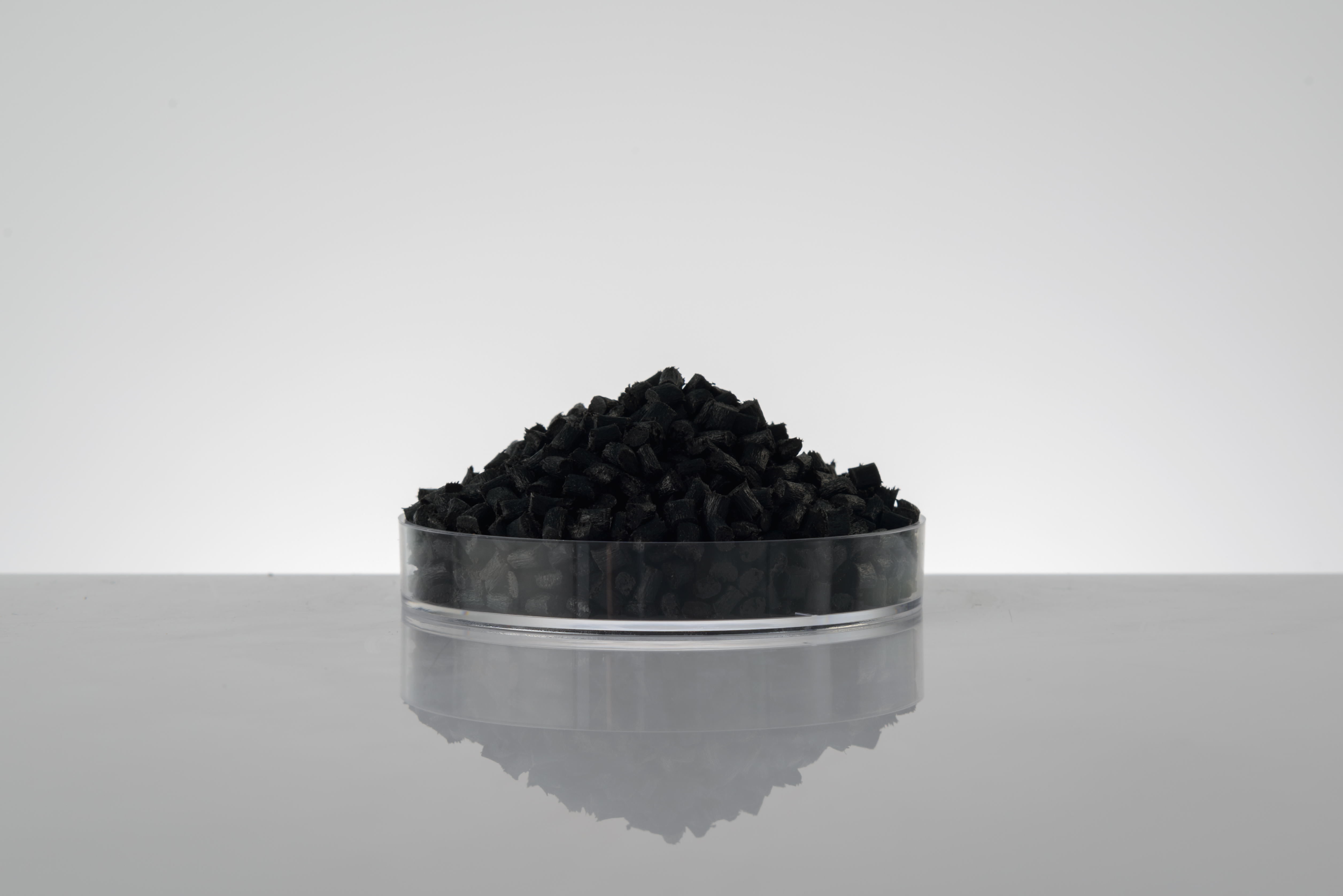
When battling interior assembly noises, engineers require a bottom-of-funnel solution that addresses the root cause of friction. Utilizing self-lubricating engineering plastics has emerged as a highly effective strategy for this specific challenge. Instead of applying liquid greases or felt tapes during final assembly, engineers specify materials that possess inherent lubricity. Applied greases inevitably degrade, dry out, or peel off under high cabin temperatures.
The underlying science involves compounding standard base polymers with built-in solid lubricants, such as Polytetrafluoroethylene, silicone, or molybdenum disulfide. Because the lubrication is evenly dispersed throughout the polymer matrix during injection molding, it permanently lowers the coefficient of friction. For instance, a well-formulated self-lubricating polymer can maintain a dynamic friction coefficient below 0.15, ensuring it cannot be worn away over the vehicle lifecycle.
Practical applications for these friction-reducing plastics are extensive. They are especially critical in high-touch, moving interior components. Specific use cases include climate control directional louvers, seat adjustment mechanisms, seatbelt guide rings, and center console latch assemblies.
Imagine adjusting an air vent. You expect a smooth, silent glide rather than a cheap plastic screech. By integrating these specialized materials into the initial design phase, automotive manufacturers extend the functional lifespan of the components. This reduces mechanical wear and tear and maintains a consistently silent operation that enhances perceived luxury.
For large interior structural components, material selection must carefully balance mechanical performance with acoustic properties. Standard polycarbonate blends are workhorses in automotive interiors. Yet, standard grades can still fall victim to structural noise when subjected to chassis flex.
The development of a low-noise PC/ABS alloy represents a significant advancement in addressing this engineering hurdle. Through custom compounding, polymer manufacturers alter the tribological and acoustic characteristics of the material. This specialized alloy is engineered with specific rubber modifiers and dampening fillers to absorb impact energy. It inherently resists the microscopic stick-slip juddering that causes squeaking when mating with other plastics or metals.
The primary engineering benefit of this specialized alloy is its ability to deliver superior acoustic dampening without compromising structural integrity. On the test bench, we look for materials that retain high impact resistance alongside excellent dimensional stability under heat. A premium grade might offer a melt flow index tailored for complex injection molding, alongside a notched Izod impact strength exceeding 45 Joules per meter.
This delicate balance is crucial for large interior panels, such as instrument panels, center console housings, and door trims. These components must be rigid enough to support structural loads and deploy airbags safely. Simultaneously, they must resist warping under intense solar loads. Utilizing this alloy ensures that large, resonant surfaces do not act as amplifiers for chassis vibrations.
Application Area | Traditional Solution | Advanced Material Solution | Engineering Benefit |
|---|---|---|---|
Moving Interior Joints | Applied liquid greases or felt tape | Self-lubricating engineering plastics | Permanent friction reduction, eliminates stick-slip squeaks, zero maintenance. |
Large Dashboard Panels | Standard plastics with foam backing | Low-noise PC/ABS alloy | Maintains impact strength while dampening resonance natively, reduces weight. |
Structural Mounts | Heavy butyl rubber mats | Viscoelastic structural polymers | Proactive kinetic energy absorption, significantly improves battery range. |
High-Wear Brackets | Standard metal or basic nylon | Modified Polyamide 66 | High rigidity combined with vibration isolation, prevents metal-on-metal rattle. |
Validating the performance of automotive NVH materials requires a rigorous, data-driven approach. While subjective passenger evaluations are important for final vehicle sign-off, engineering teams rely on objective measurement protocols. We utilize precision microphones and accelerometers to measure several critical metrics.
Sound pressure levels are recorded in decibels to understand overall noise intensity. Meanwhile, frequency response analysis identifies specific tonal spikes that cause human annoyance. Vibration transmissibility is measured to determine how effectively a material isolates kinetic energy from one side to the other. This allows manufacturers to set strict performance tolerances that suppliers must meet.
To guarantee long-term reliability, materials must be tested under conditions that replicate years of real-world use. This validation involves sophisticated laboratory equipment. Shaker tables subject components to multi-axis vibrations, often sweeping frequencies up to 2000 Hertz, simulating thousands of miles of rough road driving to identify potential rattle points.
Testing is also conducted inside anechoic chambers. These are acoustically isolated rooms designed to measure the exact sound pressure levels emitted by individual components without background interference. Furthermore, environmental chambers subject the materials to extreme thermal cycles, typically from negative 40 to 85 degrees Celsius. This ensures that stick-slip friction does not suddenly occur during freezing winters or scorching summers.
For procurement and engineering teams, evaluating material suppliers goes far beyond comparing per-kilogram costs. The true value of premium acoustic polymers lies in their overall return on investment throughout the vehicle lifecycle. When specifying materials for a new architecture, follow this actionable approach.
First, identify high-risk friction zones during the CAD phase. Second, specify built-in lubricity for any plastic-to-plastic mating surfaces. Third, evaluate the weight penalty of your current damping strategy. Investing in high-grade materials upfront significantly reduces the hidden costs associated with poor acoustic performance. It eliminates the need for labor-intensive, post-production fixes on the assembly line.
Achieving optimal cabin acoustics requires close collaboration between automotive manufacturers and specialized material suppliers. Standard off-the-shelf plastics are rarely sufficient for solving complex, vehicle-specific noise issues. It is crucial to partner with suppliers who possess the capability to custom-compound materials to meet exact engineering tolerances.
Whether formulating a specific melt flow index for a complex injection-molded dashboard or adjusting the solid lubricant content in a latch mechanism, specialized polymer engineers provide vital technical support. By engaging with experts early in the design phase, automotive engineers can ensure their next build meets the exacting acoustic standards of the modern consumer.
The quiet revolution in automotive design is fundamentally driven by advanced material science. Overcoming the unique challenges of modern vehicle acoustics requires moving away from reactive fixes and toward integrated energy absorbing systems. By strategically implementing specialized alloys and self-lubricating engineering plastics, manufacturers can eliminate interior friction, reduce road noise, and deliver the premium, whisper-quiet experience today's consumers demand.
Automotive engineers and procurement specialists are strongly encouraged to audit their current material specifications. Upgrading your acoustic strategies for future vehicle architectures is no longer optional. To explore custom-compounded polymer solutions tailored to your specific noise reduction requirements, browse our high-performance materials at Unikingtech and connect with our engineering team today.
Energy absorbing systems are specialized materials and structural designs integrated into a vehicle to mitigate noise and vibration. Unlike traditional sound blockers that merely reflect noise, they actively absorb kinetic energy from the road or powertrain. They dissipate this energy as micro-thermal energy before it can enter the passenger cabin as audible noise.
Self-lubricating engineering plastics are formulated with internal lubricating agents, such as silicone or solid fluoropolymers. This permanent, built-in lubrication lowers the friction coefficient between mating parts. It effectively eliminates the stick-slip friction that causes squeaks and rattles in moving interior components, all without the need for external greases that degrade over time.
A low-noise PC/ABS alloy combines the heat resistance and impact strength of Polycarbonate with the flexibility and processability of ABS. Furthermore, it is specifically compounded with dampening fillers to reduce acoustic resonance and surface friction. This makes it the perfect material for large interior panels, dashboards, and trims where structural integrity and silence are strictly required.
Internal combustion engines produce a significant amount of background noise that naturally masks other mechanical sounds. In an electric vehicle, the powertrain is nearly silent. This makes wind noise, tire roar, and internal cabin squeaks much more noticeable to passengers. This acoustic shift requires manufacturers to utilize higher-grade materials to achieve a truly quiet cabin.
Engineers use a combination of subjective passenger evaluations and objective data collection. Tools like specialized precision microphones, accelerometers, and multi-axis shaker tables are utilized in anechoic chambers. They measure sound pressure levels, frequency distribution, and vibration isolation, ensuring the materials meet strict performance standards.
Vehicle lightweighting directly limits the use of traditional heavy sound-deadening mats, as excess weight reduces battery range. Engineers must now select advanced polymers and structural alloys that offer high viscoelastic damping properties at a fraction of the weight, ensuring a quiet cabin without compromising energy efficiency.
Sound insulation involves using dense, heavy materials to block external noise from entering the cabin. Sound absorption utilizes porous or viscoelastic materials to capture sound waves and structural vibrations inside the vehicle, converting that acoustic energy into trace amounts of heat to prevent echoing and resonance.