+86-512-52396378
sales@szuniking.com
sales@szuniking.com
1 Longteng Rd, Tonggang Industrial Park, Changshu ETDZ, Jiangsu Province, China 215511
Views: 0 Author: Site Editor Publish Time: 2025-08-26 Origin: Site


If you need a material that is strong and useful, PA66 has many good points and some bad ones. PA66 is also called polyamide 66. It is a special plastic used in tough jobs. People use it when they need things to last and work well. Every year, more than 10 million metric tons of PA66 are made. This shows that many people want it. Knowing what is good and bad about PA66 helps you pick the best material for your needs.
Here’s a quick look at the most common good and bad points:
Advantages | Disadvantages |
|---|---|
Design Flexibility | Hard to make it resist fire |
Lightweight | Some fire blockers can change its properties |
Cost-Effective | |
Recyclability |
PA66 is a strong plastic. It lasts a long time. It works well when things need to be tough. It does not wear out easily.
It can handle high heat. This makes it good for cars and electronics.
Think about the environment when using PA66. Moisture and sunlight can affect it. This helps PA66 last longer.
PA66 is a good price for strong needs. But prices can change because of material costs.
Always check what your project needs. This helps you know if PA66 is the right choice.
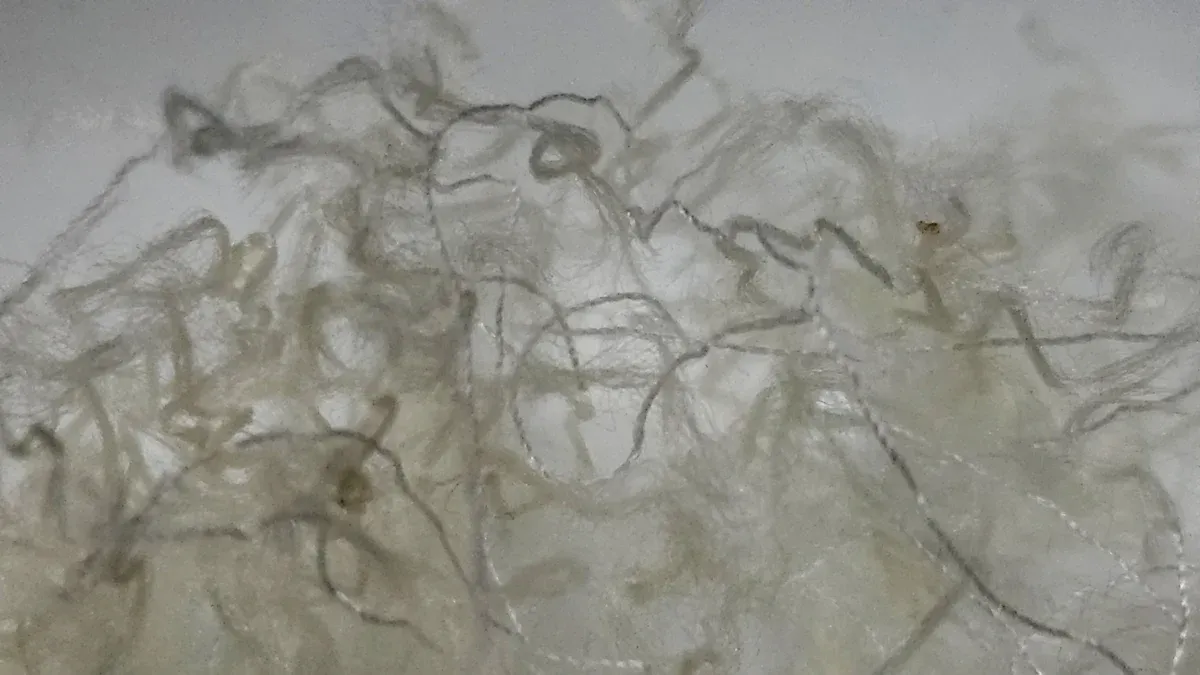
PA66 is strong and stiff. It can handle hard jobs. Its tensile strength is between 60 and 240 MPa. The table below shows how PA66 compares to other plastics:
Property | PA66 (Polyamide 6/6) | PEEK (Polyetheretherketone) |
|---|---|---|
Tensile Strength (MPa) | 60 to 240 | N/A |
Modulus of Elasticity (GPa) | 1.6 to 23 | N/A |
PA66 has a special structure. This makes it tough and able to take hits. It keeps its shape and holds heavy things. If you use reinforced PA66, it gets even stronger. That is why PA66 is picked for jobs that need strong materials.
PA66 stays strong and keeps its shape, even when stressed.
PA66 does not wear out easily. It is good for parts that rub together. Its wear rate is 10−6 mm³/N m. The table below shows how PA66 works in different cases:
Condition | Wear Rate Increase | Notes |
|---|---|---|
Unreinforced PA66 | Baseline | - |
Reinforced PA66 | ~10x | Effect masked by surface temperatures |
Carbon Fibre Reinforcement | Reduced friction | Higher load capacity before melting |
Glass Fibre Reinforcement | Reduced friction | Higher load capacity before melting |
PA66 is great for parts that carry heavy loads. It works well even with lots of friction. It does not change shape much over time, so parts last longer.
PA66 can stand up to many chemicals. You can use it with gasoline, oil, weak acids, and alkalis. The table below shows its chemical strengths and limits:
Chemical Resistance | Limitations |
|---|---|
Excellent resistance to gasoline and lubricating oil | High water absorption can lower electrical insulation |
Resistant to weak acids and alkalis | Poor thermal stability at high temperatures |
PA66 does well with most chemicals. But water can affect it. Most of the time, PA66 keeps its strength and works well for engineering.
PA66 works well in hot places. Its melting point is about 260°C. This is higher than PA6. The table below compares PA66 and PA6:
Property | PA66 | PA6 |
|---|---|---|
Melting Point | ~260°C | ~220°C |
Heat Deflection Temperature | 80-90°C | Lower than PA66 |
Thermal Stability | Superior | Lower |
PA66 is used in cars and electronics. It can handle heat and stay strong.
PA66 is good for hot jobs because it stays strong.
PA66 keeps its shape when wet or hot. It does not change size much. PA66 takes in less water than PA6, so it is more stable. The table below shows why PA66 is good for precise work:
Property | Description |
|---|---|
Dimensional Stability | Enhanced by glass fibers, maintains shape under stress |
Suitability | Ideal for high accuracy and minimal warpage |
PA66 is used for parts that need to be exact. It helps stop warping or shrinking.
PA66 is good at stopping electricity from passing through. It works well in electrical jobs. PA66 has high dielectric strength and good resistivity. It is flame retardant, so it is safe. PA66 works best when dry and is better than many other plastics.
PA66 has high dielectric strength.
It has good volume and surface resistivity.
PA66 is used in cars and electronics because it is strong and stable.
PA66 is trusted for electrical uses in many industries.
PA66 can take in water from the air. This can change how strong and stable your parts are. When PA66 gets wet, it may lose some strength and stiffness. The table shows how water affects PA66:
Parameter | Value |
|---|---|
Water Absorption Rate | Up to 8.5% |
Temperature | 23°C |
Effect on Glass Transition Temp | Drops from 60°C |
Impact of Hydrolysis | Lower mechanical properties |
PA66 does not soak up as much water as PA6. This helps it keep its shape better. You should think about this if you need exact parts or if your product will be in a wet place.
Polyamide Type | Water Absorption (%) |
|---|---|
PA6 | 1.2-1.5 |
PA66 | 0.7-0.9 |
Tip: PA66’s lower water absorption helps it stay the same size. Always check where you will use it.
PA66 does not do well in sunlight for a long time. UV rays can break the plastic and make it weak and faded. If you want to use PA66 outside, you need to add UV stabilizers.
Use UV stabilizers with PA66 for outdoor use.
Nylon 12 is better with UV, but PA66 needs help to last outside.
Without UV protection, PA66 can break down in sunlight.
Think about UV sensitivity before you pick PA66 for outdoor things.
If PA66 is used with steady pressure, it can slowly change shape. This is called creep. PA66 does not resist creep as well as some stronger plastics. Over time, this can change how your parts fit and work. If you need parts that do not creep, use reinforced PA66 or another plastic.
Note: Creep can make parts wear out faster when they hold weight for a long time.
Making PA66 parts can be tricky. You need to handle it carefully to get good results. The table shows common problems and ways to fix them:
Challenge | Problem Description | Solution Description |
|---|---|---|
Moisture Absorption | PA66 takes in water, which can break it down. | Dry PA66 pellets at 80°C for at least 4 hours with a desiccant dryer. |
Overheating | Too much heat can change color and make it weaker. | Set the right temperature and control the barrel heat. |
Shrinkage and Warping | PA66 can shrink and bend, making parts less accurate. | Make the mold better and cool parts right after they come out. |
Surface Defects | Wetness or bad air flow can cause marks on the surface. | Dry PA66 well and let air out of the mold. |
Brittleness | Bad settings or too much water can make parts break easily. | Dry PA66 well and set the right packing and cooling time. |
You must watch the settings closely. Mold heat, drying, and cooling all change how PA66 parts turn out. For a smooth finish, keep mold heat between 55 and 80°C. For strong parts, use higher mold heat (80-90°C). For thick parts, lower heat (20-40°C) keeps them tough. Every step can change how PA66 works.
PA66 works well, but you should think about its price. The cost depends on things like adipic acid and hexamethylenediamine. These come from oil, so prices can change fast. Making PA66 is hard and uses lots of energy, which makes it cost more. High-heat glass-reinforced PA66 costs about 30% less than some top plastics, but it can still be expensive for some jobs.
Remember: PA66’s price can go up or down because of raw material costs and energy use.
PA66 stands up to many chemicals, but you should check for stress cracking. This happens when PA66 faces both pressure and certain chemicals. PA66 does not crack easily and works well with oils, solvents, acids, and alkalis. The table shows how PA66 performs:
Property | PA66 Performance |
|---|---|
Susceptibility to Stress Cracking | Low |
Chemical Resistance | Good (oils, solvents, acidic, alkaline) |
Durability | High (compared to other materials) |
PA66 works well in most places, but always test it with the chemicals you will use.
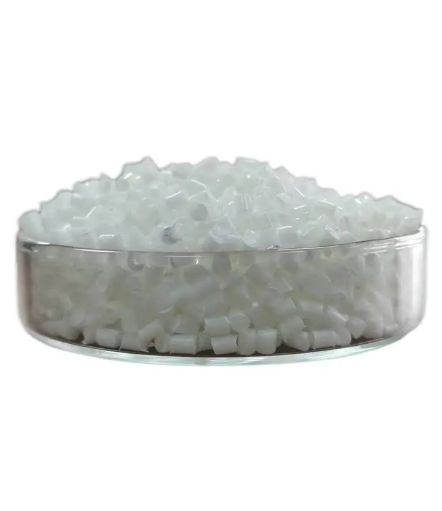
PA66 is used in many industries. It is strong and has many uses. People pick PA66 when they need tough parts. It works well with heat and keeps its shape.
PA66 is found in cars and trucks. Car makers use PA66 for many parts. PA66 can handle heat and stress. It also stands up to chemicals. Here is a table that shows car parts made from PA66 and why:
Component Type | Application Description |
|---|---|
Air Intake Manifolds | Sends air to the engine, handles high heat and fuel vapors. |
Radiator End Tanks | Handles heat and coolant, helps cool the engine. |
Cylinder Head Covers | Protects the engine top, strong against heat and stress. |
Connectors and Wiring Harnesses | Stops electricity, resists heat and fluids. |
Battery Housings | Tough and heat-resistant, good for electric cars. |
Fuel Line Connectors and Tubing | Stays strong with fuel, keeps shape in hot and cold. |
Fuel Pump Components | Handles fuel all the time, stays strong and heat-resistant. |
PA66 helps cars work safely and well.
PA66 is used in many electronic things. It is found in:
Connectors that need to stop electricity
Switches that must handle heat and flames
Cases for electronic parts that need to be safe and strong
PA66 is good for new electronics. Devices are getting smaller and more complex. PA66 stops flames and electricity, so it is a top pick.
Factories use PA66 for gears and bearings. Machines need PA66 for parts that move and rub. PA66 does not wear out fast and keeps its shape. Companies use PA66 for belts, pump parts, and valves. PA66 stands up to stress and chemicals.
PA66 is in things you use every day. It is in power tool cases, sports gear, and kitchen machines. These things need to be tough and safe. PA66 makes products last longer and work better.
PA66 is used in hospitals and labs. It is found in surgical tools and device cases. PA66 can stand up to chemicals and be cleaned easily. This makes it good for medical jobs.
Suzhou UNIKING New Material Co., Ltd. makes strong plastics like PA66. Their materials meet strict rules and are tested for quality. They care about the environment and make sure you get good products. You can trust their PA66 for important jobs.
Think about what you need before picking PA66. PA66 is strong and tough. It works well in many jobs. You should check how much force your part will get. Also, see how often it moves and if it needs to last long. Here is a table to help you compare important things:
Key Factor | Description |
|---|---|
Mechanical Robustness | PA66 is strong and lasts for hard jobs. |
Resistance to Wear and Chemicals | PA66 does not break down in rough places or with chemicals. |
Excellent Dielectric Properties | PA66 stops electricity, so it is safe for electronics. |
Thermal Resistance | PA66 keeps working when it gets hot. |
High Strength-to-Weight Ratio | PA66 is strong but light, good for cars and machines. |
Suitability for Harsh Conditions | PA66 works well in tough places. |
If you want more toughness or special features, ask Suzhou UNIKING New Material Co., Ltd. Their PA66 series meets strict rules and works in many jobs.
You need to think about where you use PA66. Heat, water, and chemicals can change how PA66 works. PA66 can lose strength if it gets too hot, especially over 70°C. Chemicals can also make PA66 less tough. Here are some things to check:
Test PA66 with the chemicals your part will touch.
See how PA66 reacts to water, oil, and heat.
Use fast aging tests to see how PA66 changes over time.
Suzhou UNIKING New Material Co., Ltd. checks their PA66 to make sure it works in many places.
Look at the price before you pick PA66. PA66 costs more than some plastics because it is strong and tough. You pay more, but you get better parts. If you need strong and safe parts, PA66 is a smart pick. Suzhou UNIKING New Material Co., Ltd. gives you good quality and quick service, so you get what you pay for.
Tip: Always compare the price with what you need. Quality and safety are most important for big jobs.
If PA66 is not right for you, look at other materials. Here is a table to help you compare:
Alternative Material | Advantages vs. PA66 | Disadvantages vs. PA66 |
|---|---|---|
PA6 | Easier to make, better at taking hits | Takes in more water, not as good with heat |
Recycled Solutions (PA66, PA6) | Cheaper, better for the planet | Not as strong, fewer colors |
PA6/PA66 Blends | Mix of features | More water, less steady |
PBT | Good with electricity, takes in less water | Heavier, not as good with heat |
PP | Costs less, does not take in water | Not as stiff, wears out faster |
Suzhou UNIKING New Material Co., Ltd. has many plastics like PA6, PBT, and PP. You can ask them to help you find the best one for your job.
If you want strong, safe, and tested materials, pick PA66 from Suzhou UNIKING New Material Co., Ltd. Their team helps you choose the best one for your needs.
PA66 plastic makes parts strong and able to handle heat. It is reliable and does not wear out fast. PA66 also stands up well to many chemicals. But it can soak up water and does not do well in sunlight.
When should you choose PA66?
You need parts that are strong and last long
Your parts will get hot or touch chemicals
You want your parts to stay the same for a long time
Tip: Always think about what your project needs. If you want help, ask Suzhou UNIKING New Material Co., Ltd. for the best PA66 choices.
You see a big difference in how PA66 and pa6 nylon handle heat and wear. PA66 resists wear better and absorbs less water. If you need a comprehensive comparison, PA66 gives you more strength and stability than pa6 nylon.
You can use PA66 nylon outside, but you must protect it from sunlight. PA66 nylon can lose strength if exposed to UV rays. You should add UV stabilizers to help your product last longer and resist wear.
You get strong results with PA66 nylon in high-wear jobs. PA66 nylon resists wear better than pa6. You can use it for gears, bearings, and moving parts. PA66 nylon keeps working even when parts rub together every day.
You can trust PA66 polyamide for electrical jobs. PA66 polyamide stops electricity from passing through. You see it used in connectors and switches. PA66 nylon resists wear and heat, so your electrical parts stay safe.
You get tested and reliable PA66 nylon from Suzhou UNIKING New Material Co., Ltd. Their lab checks every batch for wear, strength, and quality. You can ask their team for help with pa6 or PA66 nylon. They offer fast service and expert advice.