+86-512-52396378
sales@szuniking.com
sales@szuniking.com
1 Longteng Rd, Tonggang Industrial Park, Changshu ETDZ, Jiangsu Province, China 215511
Views: 0 Author: Site Editor Publish Time: 2025-11-03 Origin: Site


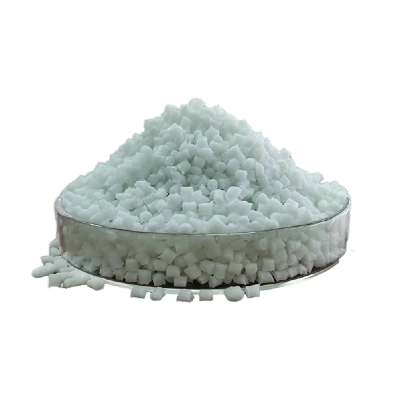
Modern engineers and product designers constantly face the challenge of balancing strength, flexibility, and environmental resistance in high-performance components. Modified nylon 6 plastic pellets have become one of the most reliable solutions to overcome these material limits. Developed through specialized compounding and modification processes, these advanced PA6 materials enhance mechanical durability, impact resistance, and long-term performance in demanding applications. Suzhou UNIKING New Material Co., Ltd., a trusted developer of polymer composite materials, supplies tailored modified nylon 6 solutions that help manufacturers achieve better-performing and longer-lasting parts across industries.
When engineers hear the term “modified nylon 6,” it often refers to base nylon 6 pellets that have been engineered through compounding to improve specific properties. Nylon 6, or PA6, by nature already offers good toughness, wear resistance, and chemical stability. However, different applications require distinct mechanical and environmental characteristics — for instance, higher impact strength, better dimensional stability, or flame resistance. Modifying the polymer structure or incorporating reinforcing agents enables precise tuning of these properties.
Impact-modified grades of PA6 are typically blended with rubber particles or ethylene-based copolymers. This modification enhances the polymer’s energy absorption capability, allowing it to withstand sudden shocks without cracking or breaking. These grades are ideal for automotive exterior trims, tool housings, or industrial casings exposed to vibration or mechanical impact. Rubber-toughened PA6 also performs well in cold environments, where standard nylon grades might become brittle.
Reinforcement is another widely used modification method that involves adding glass fibers, carbon fibers, or mineral fillers into nylon 6 granules. The result is a significant increase in stiffness, tensile strength, and dimensional stability. Glass fiber–reinforced PA6 is extensively used for engine covers, gear housings, and bearing supports, where heat resistance and rigidity are critical. Carbon fiber reinforcement, though costlier, provides high mechanical strength with reduced weight — a preferred option for precision machinery and structural components.
In electrical and electronic applications, fire safety and moisture resistance are non-negotiable. Flame-retardant modified PA6 incorporates halogen-free or phosphorous-based additives that meet UL 94 V-0 or similar standards. Hydrolysis-stabilized grades, meanwhile, resist degradation in humid environments, making them suitable for under-hood automotive parts, water-handling systems, and outdoor connectors. These modifications expand the usability of nylon 6 into environments previously unsuitable for unmodified grades.
The ultimate goal of modifying PA6 is to extend its usability envelope — to deliver higher mechanical strength, better fatigue life, and enhanced dimensional stability under varying stress and temperature conditions. Each type of modification targets a unique performance gain, but it may also introduce certain trade-offs that engineers must weigh during material selection.
Reinforced nylon 6 offers exceptional strength-to-weight ratios and reduced creep under long-term loads. This makes it a preferred choice in components that must maintain shape and function under mechanical stress or high temperatures. For instance, 30% glass fiber–reinforced PA6 can maintain structural integrity even at elevated operating temperatures, making it suitable for engine brackets, radiator end tanks, and intake manifolds.
Impact-modified grades, on the other hand, provide superior toughness. This balance of flexibility and strength is particularly valuable in parts exposed to dynamic loads — such as bushings, cable connectors, and protective housings. The fatigue life of these components can be significantly longer compared to unmodified nylon 6, minimizing part replacement frequency and maintenance costs.
Modifications that add UV stabilizers, heat-aging agents, and hydrolysis inhibitors help extend the life of PA6 products in outdoor and humid environments. These enhancements prevent discoloration, cracking, and strength loss over time — critical advantages for consumer electronics, electrical connectors, and outdoor machinery components.
While modified nylon 6 grades offer many advantages, they also introduce balancing challenges. Impact modification may slightly reduce stiffness, while fiber reinforcement can make materials less ductile. Processing complexity also increases: reinforced grades require higher mold temperatures and screw torque, and impact-modified grades may need precise drying and melt handling to prevent voids. Engineers must therefore collaborate closely with material suppliers to select formulations optimized for both performance and manufacturability.
To better understand how modifications translate into practical benefits, consider two examples where nylon 6 pellets have been engineered for targeted performance.
An industrial equipment manufacturer faced recurring failures in bushings made from standard PA6 due to repetitive vibration and mechanical shock. By switching to an impact-modified PA6 grade toughened with rubber copolymers, the company achieved a 60% increase in impact resistance and reduced cracking in low-temperature environments. The improved fatigue resistance also extended the bushing’s service life, minimizing downtime and replacement costs.
Electrical connectors used outdoors face UV exposure, humidity, and temperature fluctuation. A hydrolysis-stabilized and UV-resistant modified PA6 grade proved ideal for these housings. The material maintained mechanical strength and color stability even after extended UV testing, while the hydrolysis stabilizer prevented property loss in wet or hot environments. This modification ensured the connectors could meet international performance and safety standards, proving the material’s reliability for high-value applications.
Both cases illustrate the adaptability of modified nylon 6 to distinct operational challenges — whether it’s impact resistance, heat stability, or environmental durability — underscoring its importance across automotive, electrical, and industrial sectors.
Selecting the right modified PA6 formulation requires careful validation through standardized testing and data evaluation. Manufacturers and engineers rely on a range of mechanical and thermal tests to confirm whether a material meets application-specific requirements.
Tensile Strength and Elongation — Measures mechanical strength and flexibility; typically evaluated according to ASTM D638 or ISO 527 standards.
Izod or Charpy Impact Strength — Determines toughness and the ability to absorb energy under sudden stress. Impact-modified grades should show higher values compared to unmodified PA6.
Heat Deflection Temperature (HDT) — Indicates resistance to deformation at elevated temperatures. Reinforced grades often demonstrate superior HDT performance.
Aging and Weathering Tests — Evaluate how the polymer behaves after prolonged exposure to heat, humidity, or UV light. These are essential for outdoor and under-hood components.
Flammability Testing (UL 94) — For flame-retardant grades, verifying that materials meet fire-safety requirements.
Reliable suppliers like Suzhou UNIKING New Material Co., Ltd. provide detailed material data sheets, test certificates, and compliance documentation to ensure transparency and traceability. Engineers can request tensile, impact, and HDT test reports or customized testing for specific end-use environments. This supplier collaboration not only ensures consistent material quality but also helps customers select the most suitable modified nylon 6 grade for their needs.
Modified PA6 has redefined what is possible with engineering plastics. Through the combination of reinforcement, impact modification, and environmental stabilization, it delivers performance comparable to metal in certain applications — while remaining lightweight and easier to process. The ability to tailor specific mechanical or environmental characteristics makes modified nylon 6 a preferred choice for automotive, electrical, and industrial applications that demand reliability under stress.
Suzhou UNIKING New Material Co., Ltd. continues to lead in developing and supplying these advanced materials. By combining innovative compounding technology with professional manufacturing and dedicated technical service, the company provides high-performance solutions that enhance product durability and reduce overall lifecycle costs.
For engineers, designers, and manufacturers seeking the next level of performance, PA6 granules and customized modified nylon 6 materials from Suzhou UNIKING New Material Co., Ltd. represent a proven path to stronger, more resilient, and more efficient components.
Contact us today to learn more about our modified nylon 6 material portfolio or request a datasheet comparison for your specific application.