+86-512-52396378
sales@szuniking.com
sales@szuniking.com
1 Longteng Rd, Tonggang Industrial Park, Changshu ETDZ, Jiangsu Province, China 215511
Views: 0 Author: Site Editor Publish Time: 2026-04-24 Origin: Site


Polymeric materials are at the heart of many engineering applications, especially in industries such as automotive, aerospace, electronics, and industrial machinery. However, not all polymers are created equal. While traditional polymers serve well for basic applications, advanced high-temperature polyamide (HTPA) is engineered to deliver superior performance in extreme conditions, making it an essential material for critical applications.
HTPA’s remarkable ability to endure high temperatures, mechanical stress, chemical exposure, and even electrical requirements makes it a game-changer in many sectors. This article will explore how HTPA enhances polymer performance, providing engineers and manufacturers with a material that excels where traditional polymers fall short.
High-temperature polyamide (HTPA) is a special class of polyamide (nylon) that is engineered to withstand high thermal and mechanical stresses. Unlike traditional polyamides, which begin to lose their performance properties above certain temperatures (typically around 100°C), HTPA is designed to operate in environments where temperatures can exceed 150°C to 300°C, depending on the specific grade.
HTPA is not just about heat resistance; it combines several key properties that make it suitable for high-performance applications:
Heat resistance: It can maintain dimensional stability and mechanical properties in high-temperature conditions.
Mechanical strength: It retains its tensile strength, stiffness, and impact resistance at elevated temperatures.
Chemical stability: It resists degradation from oils, fuels, solvents, and acids, making it ideal for automotive, chemical, and industrial machinery applications.
Electrical insulating properties: It is also an excellent material for high-voltage applications, offering dielectric strength and electrical insulation.
These properties make HTPA the ideal polymer for industries where durability, heat resistance, and chemical stability are non-negotiable.
HTPA’s heat resistance is one of its most defining features. Traditional polymers, such as standard polyamide (PA), lose their mechanical strength and dimensional stability when exposed to temperatures above 100°C. However, HTPA materials can maintain their structural integrity at much higher temperatures, typically ranging from 150°C to 300°C.
For example, engine components, electrical connectors, and aerospace parts are often subjected to high operating temperatures. HTPA ensures that these components remain durable, reliable, and resistant to deformation, preventing potential failures that could arise from traditional polymers.
Material | Maximum Temperature Resistance | Thermal Stability | Best Applications |
High-Temperature Polyamide (HTPA) | 150°C to 300°C | Excellent thermal stability | Automotive, aerospace, electronics, industrial machinery |
Standard Polyamide (PA) | ~100°C | Limited thermal stability | General-purpose applications |
Metals | 250°C to 500°C | Excellent stability, but heavy | Structural components, high-load applications |
Ceramics | >500°C | Exceptional heat resistance | Aerospace, high-temperature seals |
High-temperature polyamide is engineered to retain its mechanical strength even under high temperatures and stress. Unlike other polymers that degrade in these conditions, HTPA exhibits high tensile strength, impact resistance, and stiffness. This makes it ideal for structural applications, particularly in sectors like automotive, aerospace, and industrial machinery.
In automotive applications, for example, parts such as gears, transmission components, and brake pads need to withstand high loads and dynamic stress. HTPA ensures that these parts perform consistently over time, even under the most demanding conditions. Its impact resistance ensures that the material does not crack or fail when subjected to sudden forces.
HTPA’s ability to maintain dimensional stability under mechanical stress makes it an excellent choice for precision components in high-performance machinery. It is commonly used in parts like seals, gaskets, and bushings, where tight tolerances are crucial.
HTPA excels in environments where traditional polymers would degrade due to exposure to chemicals, oils, fuels, and solvents. HTPA is known for its chemical resistance, which makes it an ideal material for fuel system components, chemical processing equipment, and automotive parts exposed to harsh fluids.
For example, fuel lines, gaskets, and fuel tank parts need to be resistant to gasoline, diesel, and biofuels. HTPA’s chemical stability prevents the material from breaking down or degrading in contact with these substances, ensuring long-term reliability and reducing the need for replacement parts.
In chemical processing environments, HTPA resists corrosion and maintains its mechanical properties even when exposed to acids, bases, and other harsh chemicals.
In addition to its mechanical and chemical benefits, HTPA is an excellent electrical insulator. In applications such as electric vehicles, power transformers, and high-voltage equipment, HTPA ensures safe operation by providing dielectric strength that prevents electrical breakdown.
HTPA’s low dielectric loss ensures that components like motor windings, connectors, and insulation materials in high-voltage applications maintain their electrical integrity over time, even in the most demanding conditions.
Its electrical insulating properties make it essential for use in electronics, where high-performance and safety are crucial, such as circuit boards, power supplies, and battery housings.
HTPA’s low friction characteristics make it an ideal material for use in moving parts such as bearings, gears, and sliding components. In the automotive and industrial machinery sectors, where parts are constantly in motion and subject to mechanical wear, HTPA's low friction properties ensure smooth operation and reduce wear over time.
HTPA's low coefficient of friction also means that components made from this material often require less lubrication, reducing maintenance costs and increasing efficiency. This is particularly important in high-performance machinery and precision components.
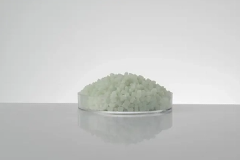
Due to its wide array of properties, HTPA is used in a variety of demanding applications across multiple industries. Below are some of the most common sectors that benefit from the engineering advantages of high-temperature polyamide.
In the automotive sector, HTPA is used in components that must endure high temperatures and mechanical stresses, such as engine parts, transmission gears, brake pads, and fuel system components. HTPA's chemical resistance, mechanical strength, and heat resistance make it an ideal choice for these critical components, where reliability and durability are key.
Automotive Components | HTPA Benefits |
Engine parts | Heat resistance, mechanical strength |
Transmission gears | High impact resistance, low friction |
Brake pads | Thermal stability, chemical resistance |
Fuel system parts | Chemical resistance, durability |
HTPA materials are used in aerospace for thermal protection systems, brake components, and fuel systems. Due to their ability to withstand extreme temperatures and stress, HTPA components ensure reliable performance in high-stakes applications such as aircraft and spacecraft.
In the electronics industry, HTPA is essential for electrical insulators, connectors, circuit boards, and high-voltage components. Its dielectric strength and low friction properties make it suitable for components that need to operate under extreme temperatures and electrical demands.
HTPA is also used in industrial machinery, such as bearings, gears, valves, and seals. Its low friction and mechanical strength ensure efficient operation, while its heat resistance and chemical stability ensure longevity even in demanding environments.
In medical devices, HTPA's biocompatibility, chemical resistance, and mechanical strength make it ideal for use in implantable devices, sterilization equipment, and medical tubing. HTPA ensures that medical components maintain their performance over time, even in harsh sterilization processes.
While HTPA offers a broad range of advantages, it is important to consider how it compares to other materials used in similar applications, such as metals, ceramics, and composites.
Material | Strengths | Limitations | Best Use Cases |
High Temperature Polyamide (HTPA) | Heat resistance, mechanical strength, chemical resistance, electrical insulation | Higher cost, limited load capacity | Automotive, aerospace, electronics, industrial machinery |
Metal Alloys | High load-bearing capacity, durability | Susceptible to corrosion, heavier | Structural components, machinery |
Ceramics | High temperature resistance, hardness | Fragility, brittle | Aerospace, electronic substrates, high-temperature seals |
Composite Materials | Lightweight, high strength, corrosion resistance | Cost, complex manufacturing | Automotive parts, aerospace, medical devices |
Heat resistance for extreme environments.
Chemical stability in harsh chemical environments.
Mechanical strength for high-performance components.
Electrical insulation for high-voltage applications.
In conclusion, high-temperature polyamide (HTPA) materials provide exceptional performance in environments that demand heat resistance, mechanical strength, chemical stability, and electrical insulation. Whether in automotive, aerospace, electronics, or industrial machinery, HTPA ensures the reliability and durability of critical components. Its versatility and high performance make it an essential material for industries that require materials that can withstand extreme conditions.
At Suzhou UNIKING New Material Co., Ltd., we specialize in providing HTPA solutions tailored to meet the unique needs of your applications. Whether you’re looking for automotive parts, electrical insulators, or industrial machinery components, we have the expertise and resources to deliver the highest quality materials to enhance the performance of your products. Contact us today to learn more about how our HTPA materials can meet your engineering needs.
Q: What is high-temperature polyamide (HTPA)?
A: High-temperature polyamide (HTPA) is a specialized polyamide material that can withstand higher temperatures than traditional polyamides, with heat resistance ranging from 150°C to 300°C. It is used in automotive, aerospace, and electronics industries for high-performance applications.
Q: What are the main benefits of using HTPA over other materials?
A: HTPA offers heat resistance, mechanical strength, chemical stability, and electrical insulation, making it ideal for industries that require materials to perform under extreme conditions. It is lighter and more cost-effective than metals or ceramics in many applications.
Q: How does HTPA compare to metals in terms of performance?
A: While metals excel in load-bearing capacity, HTPA provides superior heat resistance, chemical stability, and electrical insulation. It is also lighter and easier to process, making it a better choice for many high-performance applications.
Q: What industries use HTPA?
A: HTPA is used in automotive, aerospace, electronics, industrial machinery, and medical devices. It is ideal for engine components, electrical insulators, fuel system parts, seals, and other critical applications exposed to high temperatures and stress.