+86-512-52396378
sales@szuniking.com
sales@szuniking.com
1 Longteng Rd, Tonggang Industrial Park, Changshu ETDZ, Jiangsu Province, China 215511
Views: 0 Author: Site Editor Publish Time: 2025-10-17 Origin: Site


Aspect | Nylon (Polyamide) | Polyester |
|---|---|---|
Durability | Strong, stretchy, does not wear out or get damaged by chemicals | Tough, does not get damaged by sunlight, water, or heat |
Moisture Management | Takes in more water, dries more slowly | Pushes water away, moves sweat, and dries fast |
Color Fastness | Colors can fade after some time | Keeps colors very well |
Polyamide, which has nylon, is strong and can stretch. This makes it good for things like ropes and car parts.
Polyester dries fast and does not wrinkle easily. This makes it great for sports clothes and daily wear.
Nylon feels soft and smooth on your skin. Polyester feels a little rougher but is still comfy.
When picking materials, think about how long they last. Also think about how they handle sweat and their effect on nature. This helps you make better choices.
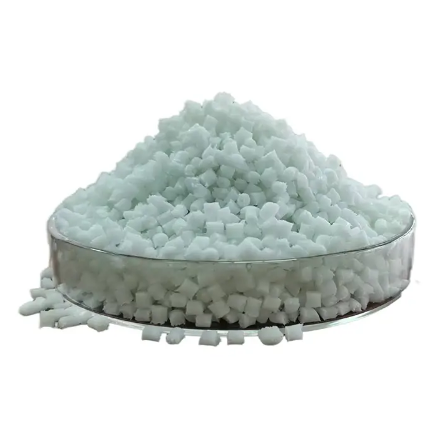
Polyamide is used in products that need to be strong. It is a group of polymers with amide bonds. These bonds make polyamide stretchy and tough. Polyamide can be found in many shapes and uses. It is best known for being flexible and hard to break. Polyamide is good at stretching and does not break easily. Many industries use polyamide when they need strong materials. You will see it in cars and electronics.
Tip: Polyamide’s straight molecules help it last longer and not wear out.
Nylon is one kind of polyamide. You see nylon in many things you use every day. It is known for being strong and not wearing out fast. Nylon can also handle chemicals well. There are different types of nylon, like Nylon 6 and Nylon 6/6. You find nylon in ropes, clothes, gears, and car parts. Nylon stretches well and can take heat. This makes it good for tough jobs. Nylon is also used in fishing lines and electrical parts. Nylon is useful for both soft and hard things.
Category | Description |
|---|---|
Aliphatic Polyamides | Includes types like Nylon 6 and Nylon 6/6 |
Aromatic Polyamides | Used for fibers such as Kevlar and Nomex |
Semi-Aromatic Polyamides | Great for high heat and tough jobs |
Defining Features of Nylon | Strong, does not wear out, and resists chemicals |
Polyester is another man-made material. You use polyester in clothes, packages, and many other things. Polyester is made from PET-based polymers. It does not stretch as much as polyamide or nylon. But it keeps its shape very well. Polyester does not wrinkle or shrink easily. This makes it simple to take care of. Polyester dries fast and pushes water away. That is why it is good for sports and outdoor clothes. Polyester can also handle sunlight and heat better than many other fibers. You can find polyester in bottles, tapes, and car seats.
Polyester keeps its shape well.
Polyester does not soak up water, so it keeps you dry.
Polyester is great for things that need to last and be easy to clean.
Characteristic | Polyamide (Nylon) | Polyester |
|---|---|---|
Chemical Structure | Has amide bonds | Made from polyethylene terephthalate |
Elasticity | Very stretchy | Not as stretchy |
Mechanical Strength | Usually stronger | Keeps its shape well |
Moisture Resistance | Does not resist water as well | Better at keeping water and sun out |
Applications | Used in strong yarns and machine parts | Used in clothes, packages, and cars |
There are some big differences between polyamide and polyester. They may look alike, but they work in different ways. Polyamide, which includes nylon, is strong and can bend without breaking. Polyester is good at keeping its shape and does not let water in.
Here is a table that shows the main ways they are different:
Property | Polyamide (Nylon) | Polyester |
|---|---|---|
Moisture Absorption | Takes in water fast, good for sports clothes | Does not take in much water, can feel warm |
Durability and Strength | Very strong, lasts a long time, good for hard use | Strong, but not as tough as polyamide |
Flexibility and Elasticity | Bends and stretches, goes back to shape easily | Keeps its shape, does not stretch as much |
Polyamide takes in water faster than polyester. This makes it a good pick for sports clothes, so you stay comfy when moving. Polyester does not soak up water, so it dries fast and keeps you dry.
Polyamide stretches more and lets you move easily. It is good for clothes you wear when active.
Polyester holds its shape well. It is best for things that need to look neat and not wrinkle.
Polyamide lasts longer when things rub against it a lot. For example, in the Martindale Test, polyamide can take 30,000–40,000 rubs before it wears out. Polyester can take 18,000–25,000 rubs. This means backpacks made from polyamide last longer than those made from polyester.
Note: Polyamide stands up to rubbing and wearing out better, so it lasts longer in things you use every day.
When you look at nylon and polyester, you will see both things that are the same and things that are different. Nylon is a kind of polyamide, so it shares many traits with polyamide. But the ways nylon and polyester are not the same matter when picking what to use for clothes or gear.
Here is a table that shows how nylon and polyester are different in feel, weight, and how they handle sweat:
Feature | Nylon | Polyester |
|---|---|---|
Texture | Feels a bit rougher and stronger | Feels smooth and silky |
Weight | Usually lighter | A little heavier |
Breathability | Good, but not as good as polyester | Great at moving sweat away |
Nylon feels rougher and stronger. Polyester feels soft and smooth.
Nylon is lighter, so it is good for things where weight matters.
Polyester is great at moving sweat off your skin, so it is good for sports clothes.
These materials also act differently with color. Polyester keeps its color better over time. After being in the sun for a long time, polyester keeps about 80% of its color. Nylon keeps about 60%. So, polyester is better for things that stay outside a lot.
Nylon is stronger and lasts longer than polyester. For example, nylon backpacks can last 5–7 years if you use them every day. Polyester backpacks may start to wear out after 3–4 years. Nylon does not crack and stays bendy, but polyester can get stiff as time goes on.
Tip: If you want something that stays bright, pick polyester. If you need something that lasts a long time, nylon is a better choice.
These main differences help you pick the right material for what you need. Polyamide vs polyester and nylon vs polyester show that each one is good for different things. Use this info to make smart choices for your clothes, gear, and more.
You want your materials to last a long time. Nylon and polyester are both strong synthetic fibres. Nylon is the strongest and does not wear out easily. Polyester is also tough, but nylon is better at resisting damage. Polyamide, which includes nylon, is picked for hard jobs because it can handle rough use.
Suzhou UNIKING New Material Co., Ltd. checks how strong these materials are. Our plastics, like the HTPA series, go through tough tests. These tests show how well the fibres work in real life.
Here is a quick look at how these materials do in tests:
Nylon and polyester last longer than natural fibres.
Cotton broadcloth gets damaged after 1,000 cycles.
Polyester and nylon last 1,500 to 2,000 cycles before wearing out.
Nylon is the best at resisting damage.
Polyester is almost as good.
You can see how strong and tough these materials are in the table below:
Material | Tensile Strength (MPa) | Abrasion Resistance (Martindale cycles) |
|---|---|---|
Polyester | 600–900 | 30,000–45,000 |
Polyamide | 800–1200 | >50,000 |
Nylon is very strong and lasts a long time. Pick nylon for things like backpacks, ropes, and car parts. Polyester is also strong and works well for outdoor gear and clothes.
Comfort is important when you wear synthetic fibres. Nylon feels soft and smooth on your skin. Polyester feels a little rougher but is still comfy. Polyamide, especially nylon, is light and stretchy. Nylon is great for things that need to be soft and bend easily.
Here is a table showing how these fabrics feel:
Fabric | Softness | Skin Feel | Other Characteristics |
|---|---|---|---|
Nylon | Soft | Silky feel | Lightweight, elastic, smooth |
Polyester | Slightly rougher | Comfortable | Quick-drying, wrinkle-resistant |
Nylon is best for clothes that touch your skin, like underwear and sportswear.
Polyester is chosen for being tough and good at moving sweat away.
Comfort is important when picking nylon or polyester because it changes how the fabric feels.
Polyamide and nylon feel nice and smooth. Polyester is good for everyday use because it is easy to care for.
Moisture control matters for sports and outdoor clothes. Nylon and polyester handle water in different ways. Polyester pushes water away and dries fast. Nylon takes in more water, so it dries slower but feels nice when you sweat.
Here is a table comparing breathability and heat control:
Fabric Type | Breathability | Thermal Regulation |
|---|---|---|
Nylon | Takes in more water, dries slower, but feels better on sweaty skin | Not as breathable, may feel hot in warm weather or during hard activities |
Polyester | Pushes water away and dries fast, great for outdoor and sports clothes | Breathes better and keeps you dry and comfy |
Polyester is great at keeping you dry. It helps you stay comfy when you play sports or go outside. Nylon also moves sweat away, but it takes in more water and dries slower.
Here is another table showing how well they move sweat:
Fabric Type | Moisture-Wicking Capability | Additional Notes |
|---|---|---|
Polyester | Not great at moving sweat | Can feel bad when wet, may get static |
Polyamide (Nylon) | Good at soaking up water | Tough, feels better than polyester, but can wrinkle easily |
Polyamide, or nylon, dries fast after getting wet. This makes it good for sports and outdoor clothes. You will feel comfy when you move because it handles sweat well.
Suzhou UNIKING New Material Co., Ltd. uses tough tests to make sure our fibres work well for moisture, strength, and comfort. You can count on our plastics to work well every time.
You want your clothes and gear to last as long as possible. Washing them the right way helps keep their shape and color. Polyamide, nylon, and polyester all need gentle care. You should always check the label, but here is a quick guide to help you:
Fabric Type | Washing Method | Drying Method | Special Care |
|---|---|---|---|
Polyamide | Machine wash on a cool setting | Air dry or low tumble dry | Low-heat or steam ironing |
Polyester | Cool water wash | Air dry or low-heat tumble | Avoid high heat when ironing |
Use cool water for both polyester and nylon clothing. High heat can damage the fibers. Air drying works best, but you can use a low-heat dryer if needed. If you need to iron, use a low setting or steam for polyamide. Polyester does not need much ironing because it resists wrinkles.
Tip: Washing in cool water saves energy and helps your polyester and nylon clothing last longer.
You may notice that polyester and nylon clothing resist stains from oil, wine, and ink better than many natural fibers. The secret lies in their chemical structure. Polyester has strong bonds that block stains from soaking in. Polyamide, which includes nylon, also has a regular and tight structure. This makes it tough and helps it resist many chemicals. Nylon is stronger than most natural fibers, so it stands up well to spills. If you get a stain, act fast. Blot the spot and wash with cool water. Most stains will come out easily if you treat them right away.
You want your clothes and gear to last through many washes and lots of use. Here is how these materials compare:
Polyester keeps its color and shape after many washes. It resists pilling and fading, so you can use it for a long time.
Nylon is strong and lasts well, but it may turn yellow if you leave it in the sun for too long. Over time, it can lose some shine.
Polyamide can last a long time, but some types need special coatings to stay strong after many washes.
If you choose polyester or nylon clothing, you get fabrics that stay looking good and feeling strong. Suzhou UNIKING New Material Co., Ltd. uses advanced testing to make sure these materials meet high standards for durability.
Polyamide usually costs more than other synthetic fibers. It is strong and bends without breaking. That is why people use it for things that need to last. You can find polyamide in special fabrics and gear for sports or work. The higher price means you get better features. Nylon is a kind of polyamide and costs about the same. You pay extra for nylon because it is tough and stretches well. If you need fabric for hard jobs, polyamide and nylon are smart picks.
Here is a table that shows the average price per yard for these materials:
Fabric Type | Average Price per Yard |
|---|---|
Polyester | $2–$4 |
Polyamide | $4–$7 |
Nylon | N/A |
Polyamide is more expensive than polyester. This is because polyamide and nylon are stronger and stretchier.
Polyester is a good deal for your money. You see polyester clothes everywhere because they are cheap and easy to make. Most polyester clothes cost less than polyamide or nylon. You can buy polyester for sports, school, or work and not spend much. Polyester lasts a long time and keeps its shape after washing. It does not shrink or wrinkle much. Polyester dries fast, so you save time and energy. Many people pick polyester for uniforms, sportswear, and daily clothes.
Polyester gives you a good mix of price and quality. It does not stain or fade easily. Polyester is great for families, students, and anyone who wants to save money. When you look at other fabrics, you see why polyester is so popular. It is comfy, strong, and looks nice for less money. If you want to save, polyester is a smart choice.
Tip: Polyester is simple to wash and stays looking good, even after many washes.
It is important to think about sustainability when picking materials for outdoor gear and clothes. Polyester and nylon both affect the environment a lot. Making one kilogram of polyester creates about 14 kilograms of carbon dioxide. Nylon makes even more, with 20 kilograms for each kilogram made. These numbers show why caring about the environment is important in the outdoor industry.
Polyester and nylon do not break down in nature. Both can make microplastics that hurt the planet. These tiny pieces end up in rivers and oceans. They come from washing outdoor clothes and gear.
Criteria | Polyester | Nylon |
|---|---|---|
Biodegradable | NO | NO |
Microplastics | YES | YES |
You can help the planet by picking eco-friendly choices. Some companies use recycled nylon from old fishing nets or fabric scraps. Biobased nylons use things that grow again, which helps the environment. Polyester also comes in recycled types, which is better for outdoor products.
Tip: Look for eco-friendly labels when you shop for outdoor gear. These products help the planet and support sustainability.
Recycling is very important for making outdoor materials better for the planet. Most recycling for polyester and nylon uses machines. This saves energy and cuts down on greenhouse gases. But not much gets recycled. Only about 9 percent of polyamide waste is recycled around the world. Most outdoor gear ends up in landfills.
This shows that making and throwing away products is not good for the planet. The outdoor industry needs a circular economy. This keeps resources in use and lowers waste. Mechanical recycling works for polyester and nylon, but it has problems like dirty materials and lower quality after recycling.
Mechanical recycling saves energy and helps the planet.
Low recycling rates mean we need better systems.
Picking recycled or eco-friendly outdoor products helps the environment.
Suzhou UNIKING New Material Co., Ltd. tries to help the planet by using better recycling and eco-friendly ways. You can help by choosing outdoor gear made from recycled polyester or nylon. Every choice helps the planet and supports a greener future.
When picking fabric for clothes, think about comfort and how long it lasts. Polyamide, which includes nylon, is good for jackets and dresses. Nylon is great for stockings and lingerie because it is soft and stretches. Polyester is used a lot for t-shirts and coats. It keeps its shape and dries fast, so it is good for busy days. Polyamide is also found in swimwear and casual clothes. Polyester is best for clothes that need to last and look nice after many washes.
Fabric Type | Common Clothing Uses | Key Properties |
|---|---|---|
Polyamide | Jackets, dresses, lingerie | Stretchy, strong, smooth |
Nylon | Stockings, lingerie | Soft, flexible, durable |
Polyester | T-shirts, outerwear | Quick-drying, shape retention |
Tip: Nylon and polyamide feel soft and comfy on your skin. Polyester is easy to care for and keeps its color for a long time.
Activewear must handle sweat, lots of movement, and many washes. You want a fabric that helps you stay dry and comfy. Polyester is the most common for activewear because it moves sweat away and dries fast. Polyamide and nylon are also used in yoga pants and running clothes. Nylon gives you stretch and feels smooth, which helps when you move. Polyester is best for sports clothes and outdoor wear because it does not shrink or fade.
Polyamide: Used in sportswear, yoga pants, and tight gear.
Nylon: Good for activewear when you need stretch and comfort.
Polyester: Best for sports clothes and things that need to dry fast.
Pick polyester for most activewear if you want to stay dry and wash it easily. Choose nylon or polyamide if you want more stretch and softness.
Home textiles need to be strong and simple to clean. Polyamide is used in carpets, rugs, and bedding. Nylon works well in curtains and furniture because it is tough. Polyester is best for curtains, furniture, and carpets. It keeps its color and shape after many washes. Polyester is in many home items because it does not stain and dries quickly.
Fabric Type | Common Home Textile Uses | Key Properties |
|---|---|---|
Polyamide | Carpets, rugs, bedding | Durable, soft, long-lasting |
Nylon | Upholstery, curtains | Strong, flexible, easy to clean |
Polyester | Curtains, carpets | Stain-resistant, quick-drying |
Note: Polyester is best for home textiles if you want easy care and bright color. Polyamide and nylon give extra strength and comfort.
Suzhou UNIKING New Material Co., Ltd. also makes special plastics for cars, electronics, and medical tools. Our products are made to work well for each job. If you want to know more, visit our materials page.
You have learned how polyamide, nylon, and polyester are different. Each one is good for certain things. When you pick a material, think about these points:
How strong and tough it is for hard work
If it dries fast for sports or outdoor use
How well it handles heat and chemicals
The price and if it can be recycled
How it affects the earth
Polyamide is best if you want something strong and bendy. Polyester is great if you want fabric that dries quickly and is easy to wash. Always choose the material that fits what you need and think about how it helps or hurts the environment.
Polyamide, like nylon, stretches more and feels softer. Polyester holds its shape better and dries faster. Polyamide is good when you need strong and bendy fabric. Polyester is best for clothes that dry quickly and are easy to care for.
You can wash both in cool water. Use gentle cycles to protect the fabric. Air dry or use low heat to keep them strong. Do not use high heat because it can hurt the fibers. Always read the care label for special steps.
Polyester is best for sportswear if you want it to dry fast and move sweat away. Nylon gives you more stretch and feels softer. Pick polyester for running shirts. Choose nylon for yoga pants or stretchy clothes.
These materials do not break down in nature. You can buy recycled polyester and nylon. Suzhou UNIKING New Material Co., Ltd. uses eco-friendly ways and offers green choices. Look for recycled labels to help the planet.