+86-512-52396378
sales@szuniking.com
sales@szuniking.com
1 Longteng Rd, Tonggang Industrial Park, Changshu ETDZ, Jiangsu Province, China 215511
Views: 0 Author: Site Editor Publish Time: 2026-08-14 Origin: Site


Engineers and product designers frequently face a serious material selection bottleneck. Pure Polycarbonate (PC) offers superior toughness and high heat resistance. However, it is notoriously difficult to process. It also carries a high raw material cost. Conversely, pure Acrylonitrile Butadiene Styrene (ABS) flows easily into molds. It remains highly cost-effective for large production runs. Yet, pure ABS lacks thermal stability. It often loses structural integrity under heavy mechanical stress.
You often need a reliable middle ground. Manufacturers cannot afford processing failures, but they also cannot sacrifice end-user performance. PC/ABS blends exist strictly to bridge this gap. They offer a highly customizable ratio of physical resilience and manufacturing efficiency. You essentially get the best characteristics of both baseline polymers in one versatile package.
This comprehensive guide breaks down the technical specifications and primary use cases of this specialized blend. We also detail the processing realities you will encounter on the factory floor. Ultimately, this information will help you determine if it is the correct polymer for your upcoming production run.
Synergistic Formulation: PC/ABS is an engineered blend combining the heat resistance and impact strength of PC with the flowability and cost-efficiency of ABS.
Data-Driven Performance: It functions as a premium impact resistant polymer, maintaining high durability even at low temperatures.
Primary Verticals: It is an industry-standard electronic housing material and automotive interior material due to its dimensional stability and aesthetic finish capabilities.
Manufacturing Realities: While easier to mold than pure PC, it is highly hygroscopic; strict moisture control and precise thermal management are mandatory to prevent part failure.
To understand the value of this material, you must first understand its structure. Many assume PC ABS plastic is a completely new molecule. It is actually a mechanical polymer blend. Chemists do not bond the monomers into a single chemical chain. Instead, they mix the two distinct polymers mechanically. They use specialized compatibilizers to help the materials integrate smoothly.
This formulation creates a synergistic effect. The exact blending ratio dictates the final mechanical behavior. Most commercial grades feature a ratio between 65/35 and 85/15 (PC to ABS). A higher PC content yields better heat resistance. A higher ABS content improves mold flow.
Each foundational polymer brings distinct advantages to the final blend. When combined, they cancel out each other's primary weaknesses.
What PC Contributes: Polycarbonate acts as the structural backbone. It provides high tensile strength and impressive thermal stability. It also delivers massive impact resistance, preventing parts from shattering under blunt force.
What ABS Contributes: ABS brings superior melt flow. This characteristic heavily improves overall processability during injection molding. It also features a lower overall density. Furthermore, it significantly reduces raw material costs compared to purely engineered resins.
Material selection directly impacts your bottom line. Using this blend reduces the defect rate in injection molding compared to pure PC. Pure PC often suffers from molded-in stress, leading to warping. The ABS component relaxes the melt, allowing for lower injection pressures.
Simultaneously, this alloy prevents the premature mechanical failures associated with pure ABS. Pure ABS components frequently crack under continuous load. Upgrading to a blended resin reduces warranty claims. It also minimizes field failures, protecting your brand reputation and saving downstream replacement costs.
Selecting the right grade requires a rigorous evaluation framework. Procurement teams and engineers must know which datasheet metrics matter most. When shortlisting a PC ABS alloy, you should focus on a few critical dimensional and thermal criteria.
Engineers evaluate thermoplastics based on specific standardized tests. These metrics predict how the final part will perform in the real world.
Impact Resistance (Izod Notched): This material offers exceptional toughness. Pure ABS often becomes highly brittle in cold environments. However, the polycarbonate component preserves impact absorption even at sub-zero temperatures.
Heat Deflection Temperature (HDT): The HDT generally falls between 95°C and 125°C. The exact threshold depends on the specific blend ratio. This heat resistance allows parts to survive direct sunlight or close proximity to internal electronics.
Dimensional Stability: Blended resins feature exceptionally low shrinkage rates. This characteristic proves crucial for parts requiring tight manufacturing tolerances. You can design complex snap-fits without worrying about excessive post-mold warping.
Standard Technical Specifications Table
Property | Typical Value Range | Test Method |
|---|---|---|
Notched Izod Impact Strength | 400 - 600 J/m | ASTM D256 |
Heat Deflection Temperature (1.8 MPa) | 95°C - 125°C | ASTM D648 |
Tensile Strength at Yield | 45 - 60 MPa | ASTM D638 |
Mold Shrinkage | 0.4% - 0.7% | ASTM D955 |
Modern applications demand stringent safety compliance. Fortunately, chemical manufacturers offer advanced flame-retardant (FR) grades. These specialized formulations easily achieve UL94 V-0 compliance.
Historically, manufacturers relied on halogenated additives to achieve flame retardancy. These chemicals release toxic, corrosive smoke during a fire. Today, you can source halogen-free grades. These modern formulations protect users without introducing hazardous secondary chemicals into the environment.
Standard commodity plastics work well for simple disposable items. However, engineered blends take over when environmental and mechanical conditions intensify. You must step up to a blended polymer when parts face harsh handling, thermal cycling, or strict safety regulations.
The automotive industry relies heavily on this resin. It serves as a core automotive interior material. Cabin components must endure extreme temperature fluctuations. A car parked in summer sunlight can reach interior temperatures exceeding 80°C. Pure ABS would warp under these conditions.
Glove Boxes: Require rigidity and a premium surface finish.
Overhead Consoles: Must house hot interior lighting without deforming.
Knee Bolsters: Demand high impact absorption to protect passengers during collisions.
Dashboard Components: Require dimensional stability and excellent paintability for aesthetic matching.
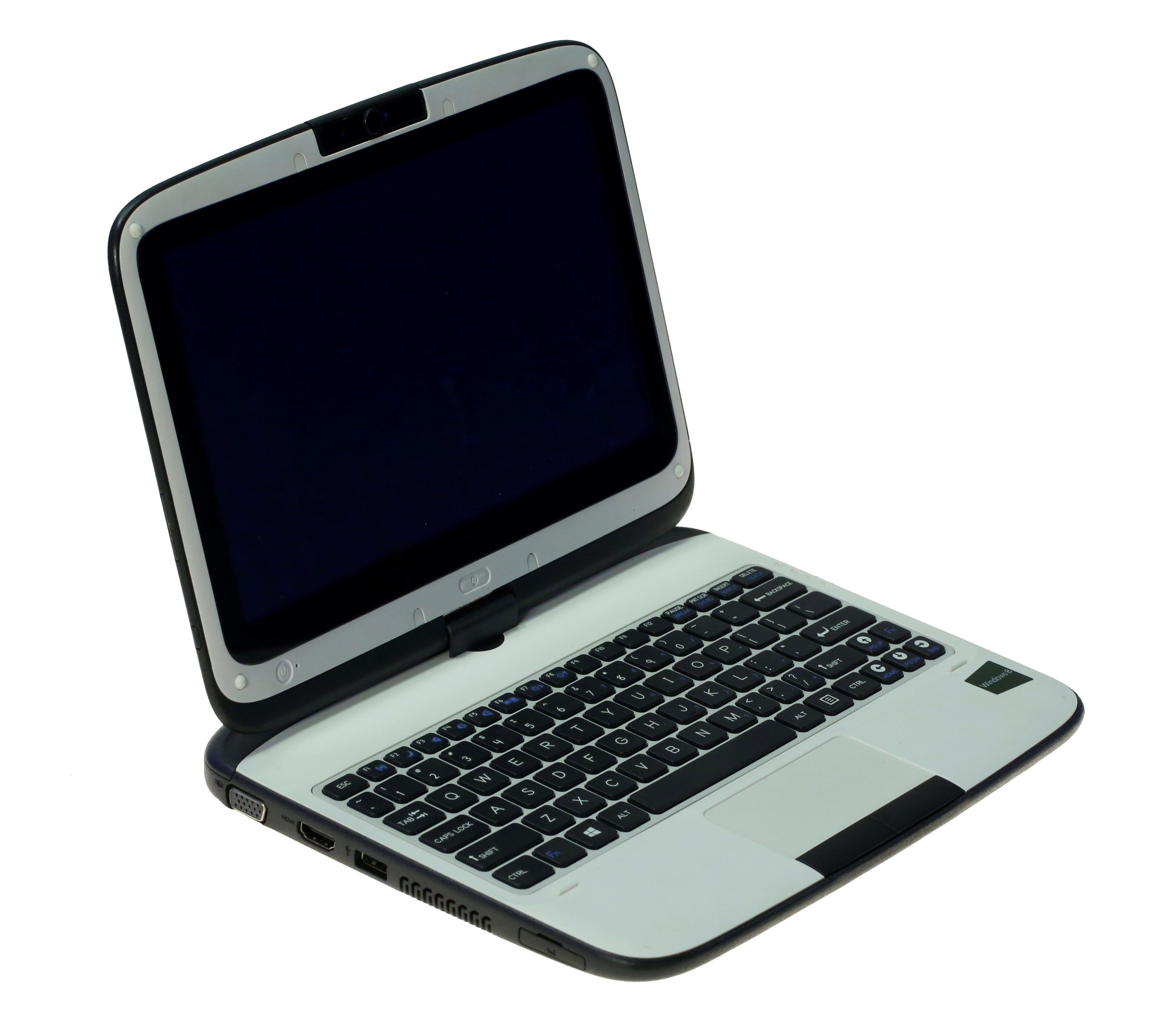
Hardware engineers constantly specify this blend for modern devices. It stands out as a premier electronic housing material. Devices generate significant internal heat. They also face frequent drops and rough daily handling.
Laptop Chassis: Provides rigidity to protect sensitive internal motherboards.
Mobile Phone Frames: Resists cracking when dropped on hard surfaces.
Monitor Enclosures: Delivers necessary flame retardancy without adding excessive weight.
Power Adapters: Encapsulates high-voltage components safely while meeting strict UL standards.
Industrial settings expose hardware to punishing environments. Factory floor equipment regularly suffers impacts from tools or machinery. As an impact resistant polymer, this blend protects expensive internal sensors.
Furthermore, medical device enclosures benefit greatly from this resin. Hospitals clean equipment constantly using harsh chemical disinfectants. Many grades resist these cleaners without crazing or cracking. While it cannot survive high-temperature steam autoclaving, it excels in non-autoclave sterilization scenarios.
Material selection involves comparing competing priorities. You must balance mechanical demands against budget constraints and manufacturing capabilities. We created a clear comparative lens to guide your decision-making process.
Material Selection Decision Matrix Chart
Material Type | Processability | Impact Strength | Heat Resistance | Relative Cost |
|---|---|---|---|---|
Pure Polycarbonate (PC) | Low (Difficult) | Very High | Excellent (>130°C) | High |
PC/ABS Blend | High (Smooth Flow) | High | Good (95°C-125°C) | Medium |
Pure ABS | Very High | Moderate | Low (<90°C) | Low |
Pure PC is an incredible engineering plastic, but it is notoriously stubborn during manufacturing. It requires exceptionally high melt temperatures and heated molds.
Choose PC/ABS when: You need lower processing temperatures and better surface aesthetics. You also want to reduce overall costs without suffering a catastrophic drop in impact strength. The blend hides sink marks much better than pure PC.
Choose Pure PC when: Your application requires absolute optical clarity. Pure PC is naturally transparent, whereas the blended resin is naturally opaque. You should also choose pure PC if extreme heat environments consistently exceed 130°C.
Pure ABS serves as a fantastic prototyping and low-cost manufacturing material. However, it falls short in high-performance environments.
Choose PC/ABS when: The final part faces elevated operating temperatures. You should also select it if the project requires stringent flame retardancy. Furthermore, if your product needs to pass rigorous drop-tests that routinely shatter pure ABS, you must upgrade to the blend.
Choose Pure ABS when: The project budget represents the primary constraint. If the mechanical demands remain very low, pure ABS will save money. Standard desktop enclosures or low-stress toys rarely need the structural upgrade.
Transitioning to this engineered resin requires preparation. You must maintain realistic expectations regarding processing difficulties. While it flows better than pure PC, it remains a highly sensitive technical polymer. Factory floor execution dictates final part quality.
Moisture represents the biggest threat to this material. The resin rapidly absorbs ambient humidity from the factory air. You cannot skip the drying phase.
Best Practice: Highlight the absolute necessity of pre-drying the resin prior to injection molding or 3D printing. You typically must dry the pellets for 3-4 hours at 90-100°C. Use a high-quality desiccant dryer.
Common Mistake: Processing wet resin causes hydrolytic degradation. The water turns into steam inside the barrel. This steam chemically breaks the polymer chains, drastically reducing impact strength. Moisture also causes severe cosmetic defects. You will see silver streaks, splay marks, or internal bubbles on the finished parts.
Proper mold design ensures success when working with this alloy. The melt generates significant off-gassing during injection.
Discuss the need for proper mold venting. Inadequate vents trap gas inside the mold cavity. The compressed gas ignites, causing visible diesel burns on the part surface. Furthermore, operators must maintain careful temperature control. If barrel temperatures drift too high, you risk thermal degradation. The ABS component will literally burn at temperatures the PC component easily withstands. Strict process monitoring prevents this differential degradation.
This blend has become increasingly popular in industrial 3D printing. However, it presents unique challenges for Fused Deposition Modeling (FDM) systems.
Address common community pain points directly. Uncontrolled cooling causes severe warping and part deformation. Bed adhesion often fails if the build plate is too cold. Layer delamination occurs if ambient air drafts cool the extruded filament too quickly. You absolutely must use an actively heated build enclosure. Successful extrusion requires stable, warm ambient temperatures to ensure strong inter-layer bonding.
Understanding the nuances of polymer selection prevents costly manufacturing errors down the line. We can summarize the value of this material clearly.
Final Assessment: PC/ABS is a highly specialized, middle-ground polymer. It is specifically designed to solve specific processing bottlenecks while maintaining impressive durability. It perfectly balances thermal stability, impact resistance, and mold flow.
Immediate Action 1: Review specific grade datasheets carefully. Compare standard grades against specialized FR (flame-retardant) grades to match your regulatory requirements.
Immediate Action 2: Request physical material samples. Conduct internal drop tests and thermal cycling tests to verify real-world performance.
Immediate Action 3: Consult proactively with your injection molding partner. Ensure their tooling features proper venting and their facility utilizes adequate desiccant drying equipment.
A: Standard blends are highly susceptible to UV degradation. Extended exposure to direct sunlight causes severe yellowing and mechanical embrittlement. If your product requires outdoor application, you must use specific UV-stabilized grades. Alternatively, you can apply protective, UV-blocking polyurethane coatings to the finished parts to extend their lifespan.
A: Yes, it accepts secondary aesthetic finishes exceptionally well. It bonds strongly with industrial paints, adhesives, and metallic plating (such as chrome). This excellent surface adhesion is a major reason for its heavy use in automotive interiors and premium consumer electronics.
A: In its solid, finished state, it is chemically stable and generally safe to handle. However, proper factory ventilation is mandatory during manufacturing. Thermal decomposition during melting can release hazardous fumes, including styrene gas. Always check the specific Material Safety Data Sheet (MSDS). Food-contact compliance remains very rare for this specific blend.