+86-512-52396378
sales@szuniking.com
sales@szuniking.com
1 Longteng Rd, Tonggang Industrial Park, Changshu ETDZ, Jiangsu Province, China 215511
Views: 0 Author: Site Editor Publish Time: 2026-07-22 Origin: Site


Selecting the right polymer is rarely just a technical decision. It requires a strategic balance between mechanical performance, processing efficiency, and unit cost. Polyamide 6, commonly known as PA6, stands out as a foundational solution in the engineering plastics sector. Manufacturers rely on it globally for high-stress components. However, applying it incorrectly carries severe financial risks. Ignoring its highly hygroscopic, or water-absorbing, properties often leads to frustrating dimensional failures in the field. Parts can warp, swell, or jam unexpectedly. Engineers must understand exactly how this material reacts to environmental changes over time. We created this guide to offer a clear, evidence-based evaluation framework. You will discover exactly how to determine if PA6 material fits your specific high-load, high-wear manufacturing requirements. Analyze its thermal thresholds, mechanical strengths, and critical processing realities. You can then confidently integrate this durable polymer into your next demanding application.
PA6 material offers superior impact strength and surface finish compared to PA66, making it ideal for high-wear components like gears, bearings, and automotive housings.
Moisture absorption is the primary implementation risk; components require strict dimensional tolerance planning for operational environments.
Upgrading to glass fiber reinforced PA6 dramatically alters the material's rigidity and thermal limits, bridging the gap between standard plastics and light metals.
Material selection between nylon 6 resin and PA66 should be dictated by continuous operating temperature requirements and injection molding constraints.
Manufacturers constantly face a universal business problem. You need materials capable of reducing component weight significantly. You must also lower manufacturing costs to remain competitive. Most importantly, you cannot sacrifice structural integrity under dynamic loads. This specific challenge is exactly where polyamides excel on the production line.
We rely on PA6 because it delivers a highly unique combination of structural benefits. Many legacy materials force engineers to choose between flexibility and strength. This polymer breaks that compromise. Here are its core material competencies:
Exceptional toughness and impact resistance: It absorbs sudden physical shocks incredibly well. This resilience holds true even when operating in freezing temperatures.
Inherent lubricity: The polymer surface naturally reduces kinetic friction. You gain excellent wear and abrasion resistance without ever needing external liquid lubricants.
Strong chemical resistance: The dense molecular structure repels aggressive industrial fluids. It withstands prolonged, direct exposure to harsh oils, greases, and aliphatic hydrocarbons.
However, you must actively account for a critical trade-off during the design phase. Transparency regarding material limitations builds trust in engineering design. PA6 is inherently hygroscopic. It continuously absorbs moisture from the surrounding atmosphere. This moisture acts directly as a plasticizer within the rigid polymer matrix. It pushes the molecular chains slightly apart. As water content increases inside the part, impact strength actually improves. The material becomes significantly tougher and less brittle. Conversely, its baseline tensile strength drops noticeably. Dimensional stability alters as the part swells volumetrically. You must design molds and calculate tight tolerances anticipating this inevitable physical shift.
Understanding baseline chemical properties is only the first vital step. You must systematically map these characteristics to proven commercial outcomes. Across various highly regulated sectors, robust PA6 applications solve complex mechanical challenges daily.
Automakers obsess over vehicle weight reduction to meet emission targets. Replacing heavy metal parts directly improves overall fuel efficiency. Engineers frequently specify this polymer for engine covers and complex air intake manifolds. It resists harsh, boiling automotive fluids perfectly. Radiator grilles also benefit from its excellent surface aesthetics. Furthermore, its inherent impact resilience protects front-end components against flying road debris.
Heavy manufacturing machinery demands extreme fatigue resistance in moving parts. Manufacturers use this polymer heavily to produce custom rollers, pulleys, gears, and slide bearings. The inherent lubricity drastically reduces destructive metal-on-metal friction. It also provides significant operational noise reduction across the factory floor. Excellent vibration dampening extends the functional lifespan of surrounding sensitive mechanical assemblies.
Rigid safety standards dictate material choices in electrical applications. You will find this polymer inside heavy-duty cable ties, circuit connectors, and industrial switch housings. It features highly reliable insulating properties under voltage. Furthermore, its excellent tracking resistance ensures complete compliance with stringent basic electrical safety protocols.
Commercial power tools take constant physical abuse on rugged job sites. Tool housings require extreme impact resistance to survive repetitive drops onto concrete. High-end sports equipment demands similar structural durability alongside premium surface aesthetics. The polymer fills both requirements seamlessly. It consistently produces glossy, consumer-ready finishes straight from the steel mold.
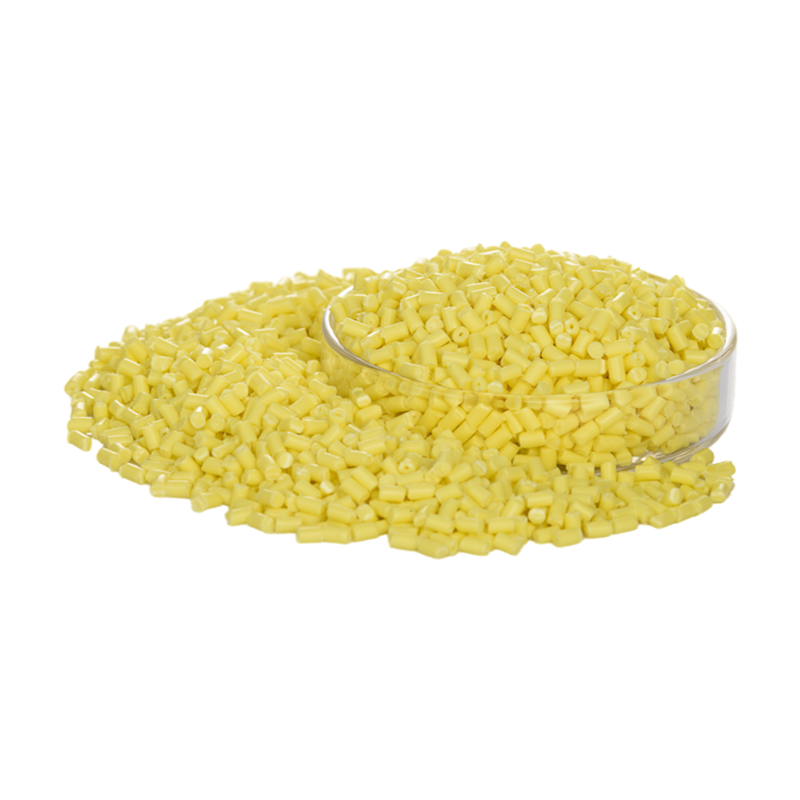
Standard unfilled polymer sometimes falls short of structural expectations. When specific applications demand extreme stiffness, you must scale up material performance. Adding microscopic glass fibers transforms the baseline properties of the polymer entirely. Typical commercial fiber loadings range from 15% to 50% by total weight.
Upgrading to highly loaded glass fiber reinforced PA6 bridges the difficult gap between standard plastics and light die-cast metals. This physical modification drastically alters structural behavior under stress. Let us examine the specific feature-to-outcome matrix below.
Performance Metric | Material Transformation | Engineering Outcome |
|---|---|---|
Tensile Strength | Produces a drastic increase in overall load-bearing capacity. | Enables highly successful metal-to-plastic conversion for rigid structural parts. |
Thermal Limits | Significantly raises the Heat Deflection Temperature (HDT). | Allows safe, prolonged proximity to hot engine blocks or high-friction zones. |
Dimensional Stability | Reduces baseline volumetric shrinkage. Lowers overall moisture absorption rates. | Ensures much tighter tolerances in precision assemblies across varying ambient climates. |
Despite these distinct advantages, you must heed a critical evaluation warning. Glass fibers are incredibly abrasive by nature. You will experience significantly increased tool wear during the injection molding process. Molds absolutely require hardened tool steel coatings to maintain acceptable longevity. Additionally, the compounded material loses its beneficial baseline flexibility. It becomes much more brittle upon sudden point impact. Finally, glass fibers frequently migrate to the outer surface during the cooling phase. This microscopic migration often causes potential surface finish degradation. You might see a dull, frosty, or slightly rough cosmetic appearance.
Engineers frequently debate between the two most common industrial polyamides. You need a very clear decision-stage comparison to shortlist the right material option. While they share distinct chemical similarities, their functional macroscopic behaviors differ considerably in the field.
First, you must evaluate the thermal and mechanical differences. PA66 offers a noticeably higher base melting point. It provides slightly better short-term thermal stability under unexpected peak heat loads. On the other hand, PA6 offers vastly superior impact resistance. It also provides a much wider, far more forgiving processing window. This broader thermal window helps machine operators minimize costly defects during complex molding cycles.
Next, seriously consider processability and surface finish requirements. Melted nylon 6 resin flows much better during standard injection molding. The lower melt viscosity allows it to fill highly intricate mold cavities effortlessly. This smoother, faster flow yields a superior, high-gloss cosmetic finish. It naturally becomes the preferable material choice for highly visible consumer-facing components.
Finally, carefully analyze the cost and availability dynamics. Sourcing reliable raw materials remains a critical engineering responsibility today. Historically, the base monomer used for PA6 enjoys a much more stable global supply chain. Consequently, it typically presents a far more favorable cost-to-performance ratio for procurement teams. PA66 supply chains occasionally experience severe manufacturing bottlenecks. These bottlenecks rapidly drive up spot market prices. If your specific application does not strictly require the extra 20°C of thermal overhead PA66 provides, standard nylon 6 usually wins the economic evaluation easily.
Even the highest-grade material fails if operators process it incorrectly. We must shift our focus directly to the production shop floor. Poor thermal processing negates all inherent material benefits. Understanding these specific implementation risks remains vital for successful mass production.
Proper preparation starts long before the raw material ever enters the heated barrel. You must strictly follow documented pre-drying mandates. Because the base polymer absorbs ambient moisture quickly, you absolutely cannot mold it straight from standard warehouse storage. Wet resin causes severe cosmetic blemishes and hidden structural defects.
Desiccant Drying: You must dry the raw pellets using a high-quality desiccant dryer.
Moisture Limits: Verify the internal moisture content drops below 0.2% before initiating the processing cycle.
Defect Prevention: Proper thorough drying prevents silver splay, internal part brittleness, and microscopic foaming within the polymer melt.
Tooling and shrinkage considerations also require meticulous upfront planning. You need highly realistic expectations for volumetric mold shrinkage. Unfilled polymer grades typically shrink between 1.0% and 1.5% during cooling. Glass-filled variants shrink significantly less, often staying well under 0.5%. Mold temperature control proves equally vital for success. Maintaining a consistently warm steel mold helps the polymer achieve optimal molecular crystallinity. Higher part crystallinity directly improves ultimate tensile strength and chemical resistance.
Finally, strongly consider the standard practice of moisture conditioning post-molding. Freshly molded parts exit the machine bone-dry and naturally brittle. They desperately need time to absorb ambient atmospheric moisture. Engineers often artificially condition new parts inside controlled humidity chambers. This specific process greatly accelerates moisture uptake. It allows you to accurately simulate real-world physical properties before conducting expensive functional testing.
Selecting the right engineering plastic demands careful analysis. Here are the crucial takeaways for your next project:
PA6 offers a versatile, high-impact solution for dynamic stress environments.
Its inherent lubricity and chemical resistance make it perfect for moving mechanical assemblies.
You must strictly account for moisture absorption when calculating design tolerances.
Adding glass fibers unlocks metal-replacement capabilities by drastically increasing rigidity and thermal limits.
Move toward the procurement phase with confidence. We recommend requesting technical data sheets (TDS) and material safety data sheets (MSDS) from your chosen supplier. Review the specific moisture uptake graphs and shrinkage rates carefully. Order sample lots of the required resin grade today. Run prototype mold testing to validate both dimensional stability and cosmetic finish before committing to full-scale production.
A: It is not waterproof in a dimensional sense. While water does not destroy its structural integrity or dissolve the plastic, the material absorbs moisture. This absorption causes dimensional swelling and acts as a plasticizer. It increases impact toughness but decreases tensile strength. Always calculate specific swelling tolerances if the component operates in wet environments.
A: Standard unfilled resin cannot match the stiffness of aluminum. However, highly loaded glass fiber reinforced variants frequently replace die-cast aluminum. If the application involves non-extreme heat and requires significant weight reduction, glass-filled variants offer comparable structural rigidity alongside much lower manufacturing costs.
A: Natural polymer degrades rapidly under continuous UV exposure. Sunlight breaks down the molecular chains, causing brittleness and severe discoloration. For outdoor applications, you must specify grades containing carbon black or dedicated UV-stabilized additives. These additions absorb radiation and protect the base polymer matrix from premature failure.
A: Standard unfilled grades typically withstand continuous operating temperatures between 80°C and 90°C. They endure short-term peaks slightly higher. Glass fiber reinforced variants extend this limit significantly, often maintaining structural integrity continuously up to 120°C to 140°C. Always consult specific manufacturer data, avoiding exaggerated maximum threshold claims.