+86-512-52396378
sales@szuniking.com
sales@szuniking.com
1 Longteng Rd, Tonggang Industrial Park, Changshu ETDZ, Jiangsu Province, China 215511
Views: 0 Author: Site Editor Publish Time: 2026-08-30 Origin: Site


Selecting the wrong engineering plastic carries incredibly high stakes for your business. Failing to match a material exactly to its operational environment often leads to premature part failure. You might also face severe budget overruns. Manufacturers cannot afford to guess when designing durable components. This problem matters immensely. Underperforming materials compromise user safety and damage brand reputation. They also disrupt fragile supply chains. Poor material selection stalls production lines instantly. Fortunately, we can eliminate this guesswork entirely. We achieve this by systematically evaluating physical demands. This guide provides a straightforward framework for navigating these critical choices. You will learn how to assess environmental loads accurately. You will compare structural grade variations clearly. You will also learn to mitigate common processing risks. Securing the proper polyamide guarantees reliable performance over time. By the end, you will know exactly how to evaluate materials before finalizing your sourcing.
Defining operating environments (temperature, moisture, chemical exposure) is the non-negotiable first step in PA66 selection.
Selecting the right grade requires balancing mechanical needs (e.g., stiffness vs. impact resistance) with dimensional stability realities.
Direct material comparisons (PA66 vs. PA6 or PBT) clarify whether PA66 is structurally necessary or commercially over-engineered for the application.
Partnering with a qualified supplier ensures lot-to-lot consistency and access to critical processing support.
You must first define clear success criteria to choose the right material. We must evaluate exactly what the final part will endure. Skipping this fundamental step remains a common mistake. It usually leads to selecting a material based purely on initial purchase price. You must analyze four specific operational dimensions.
Continuous Use Temperature (CUT): You need to establish the maximum thermal environments. Determine the lowest temperatures as well. The part must endure these extremes without degrading. Short-term heat spikes differ greatly from long-term thermal soaking. Engine bay components face constant high heat. Consumer electronics mostly operate near room temperature.
Mechanical Load & Stress Types: Identify the specific mechanical forces involved. Does the application require high tensile strength? Structural brackets demand high tensile capabilities. You might need high flexural modulus for snap-fit joints. Also, consider creep resistance under sustained mechanical loads. Parts under constant stress deform over time.
Environmental Exposure: Catalog all potential chemical and environmental exposures accurately. Will the part touch automotive fluids? Motor oils and coolants degrade weak plastics quickly. Aggressive industrial chemicals cause severe surface crazing. Evaluate UV radiation exposure for outdoor applications. Atmospheric moisture levels also dictate long-term polymer stability.
Regulatory & Compliance Needs: Note any strict industry requirements early. Electrical enclosures require specific UL94 flame retardancy ratings. Food contact parts mandate strict FDA compliance. Automotive components demand rigorous OEM approvals. Failing compliance tests delays entire product launches.
Best Practice: Always document these four criteria in a formal requirements matrix. Share this matrix directly with your engineering team before reviewing any technical data sheets.
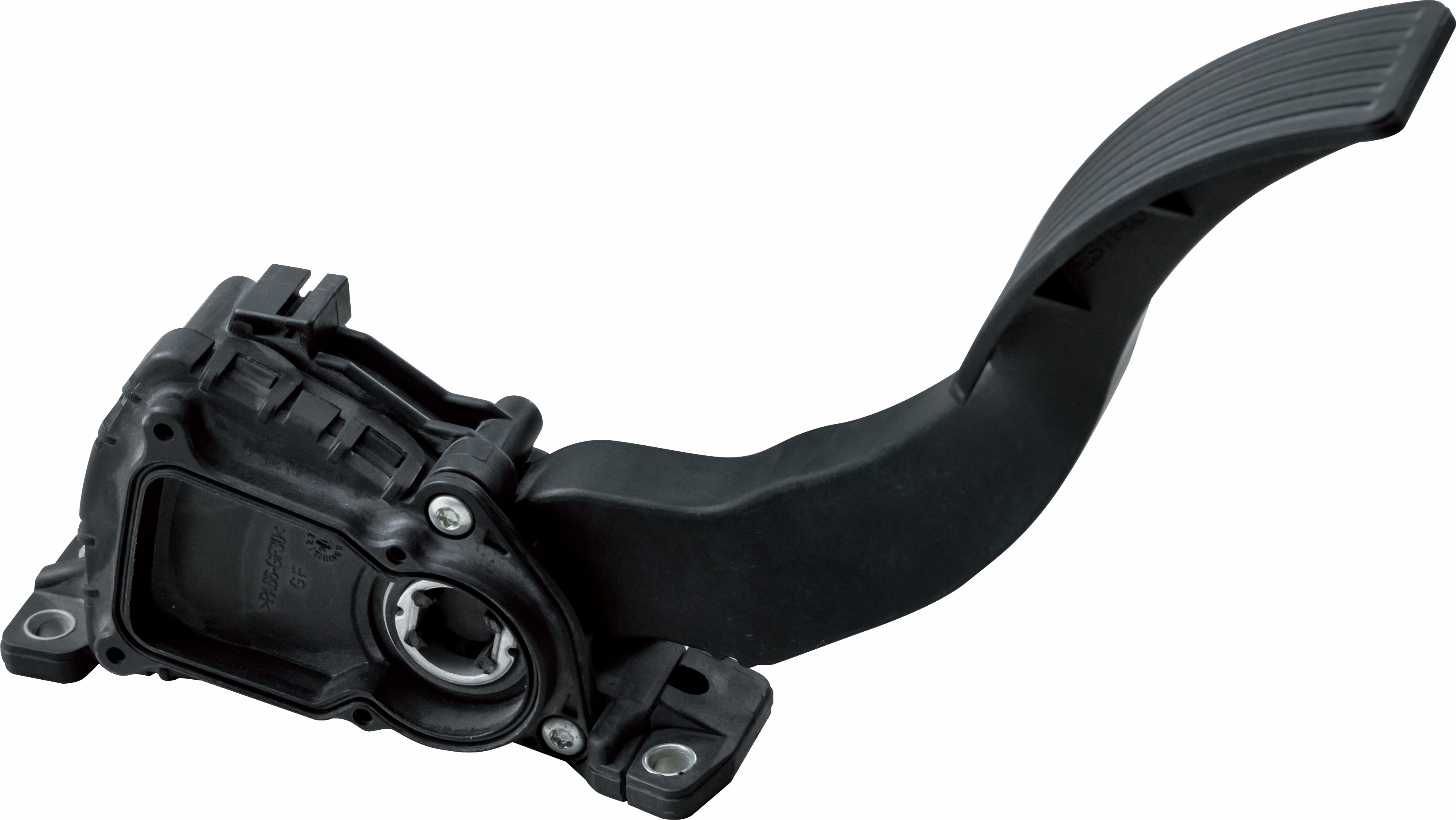
Polyamide 66 comes in numerous specialized formulations. You must align the specific grade directly to your structural demands. Using a generic grade often results in catastrophic failure. Let us break down the primary variations available today.
Unfilled / General Purpose: Unfilled grades work best for basic applications. These applications require natural lubricity and wear resistance. They offer an exceptionally high surface finish. Common examples include zip ties and standard fasteners. Basic clips also utilize unfilled formulations. They flow easily into complex mold cavities.
Glass-Filled Variants: Structural demands dictate glass-filled variants. Adding glass fibers drastically changes the performance profile. A PA66 resin,30 glass fiber reinforced long term stability grade performs exceptionally well. It provides significantly higher tensile strength. You will see greatly reduced mold shrinkage. This grade also delivers highly elevated heat deflection temperatures. Engineers specify this for automotive mounts and power tool housings.
Impact-Modified Grades: Some parts face extreme cold temperatures. Others require high toughness and drop resistance. Impact-modified grades absorb shock energy effectively. Elastomer additives prevent brittle failures in harsh environments. Rugged gear housings rely on these modified grades.
Flame-Retardant (FR) Grades: Electrical applications require strict safety compliance. You must closely review PA66 resin specifications to ensure adequate flame retardancy. These FR grades are essential for electrical and electronic (E&E) components. Connectors, switches, and circuit housings use these specialized formulations. They often achieve UL94 V-0 ratings to prevent fire propagation.
Engineers often debate between different engineering plastics. You must justify the material structurally and commercially. Let us compare the most common alternatives side-by-side.
Evaluate the cost-to-performance ratio carefully here. A standard PA66 resin offers higher temperature resistance than PA6. It also features lower moisture absorption rates. Manufacturers benefit from its faster injection cycling times. Conversely, PA6 provides slightly better surface aesthetics. PA6 also delivers higher impact strength in unconditioned states. Choose PA66 for thermal stability. Choose PA6 for visual parts requiring extra toughness.
We must compare moisture sensitivities directly. PBT is preferable for strict dimensional stability. Wet environments cause polyamides to swell slightly. PBT resists this swelling entirely. Engineers often favor PBT in specific waterproof E&E components. Meanwhile, PA66 dominates in higher thermal stress scenarios. Mechanical stress applications also favor PA66 over PBT. Under-the-hood automotive parts heavily utilize PA66 for its superior heat resistance.
Sometimes baseline pa66 thermal limits are exceeded. Your application might face continuous temperatures above 180°C. In these cases, you might pivot to high-heat nylons like PPA. If you need exceptional wear resistance for moving gears, consider POM (acetal). POM provides lower friction coefficients. Always check your requirements matrix before exploring alternative polymer families.
Material Property Comparison Chart
Material Type | Thermal Resistance | Moisture Absorption | Primary Application Advantage |
|---|---|---|---|
PA66 | High | Moderate | High mechanical strength at elevated temperatures |
PA6 | Moderate | High | Excellent surface finish and impact toughness |
PBT | Moderate | Low | Superior dimensional stability in wet environments |
POM | Low | Very Low | Low friction for gears and moving parts |
Selecting the material only solves half the equation. You must successfully process it into a finished part. Poor processing ruins excellent materials quickly. Injection molding polyamides requires strict discipline.
You must address the reality of polyamide hygroscopy. Polyamides naturally absorb ambient moisture from the air. We must understand how this moisture acts as a plasticizer. Moisture intake increases part toughness significantly. However, it decreases overall tensile strength. This moisture intake also alters final part dimensions slightly. Engineers must design tolerances accommodating this swelling. Testing parts immediately after molding gives false mechanical readings.
Tooling design requires precise shrinkage calculations. Fiber-reinforced grades experience differential shrinkage. Engineers call this anisotropic shrinkage. Glass fibers align in the direction of polymer melt flow. The part shrinks differently along the flow path versus across it. Your tool design must accommodate these specific metrics. Ignoring this causes severe part warpage. Gate placement dictates fiber orientation completely.
Strict desiccant drying before injection molding is an absolute necessity. You must remove moisture from the raw pellets. Polyamides process poorly when wet. Typically, you dry them at 80°C for four hours. Failing to dry the material causes cosmetic splay marks. It also leads to severe brittleness. Hidden structural defects occur internally. Hydrolysis breaks down the polymer chains during molding.
Your material is only as good as its source. Choosing the right partner mitigates significant production risks. A cheap supplier often costs more through high scrap rates. You must evaluate them across four crucial dimensions.
Traceability and Quality Control: Assess the supplier's ability to maintain tight quality standards. They must provide a consistent melt flow index (MFI). Variations in MFI cause major molding inconsistencies. Moisture content upon delivery must also remain highly controlled. Ask for their ISO certification records.
Technical Data Transparency: A reliable PA66 resin supplier must provide comprehensive documentation. You need access to detailed Technical Data Sheets (TDS). Material Safety Data Sheets (MSDS) are also mandatory. The TDS should detail properties clearly. It must show both dry-as-molded (DAM) and conditioned states. Transparency builds engineering trust.
Custom Compounding Capabilities: Determine if the supplier can tweak additive packages. You might need specific UV stabilizers for outdoor exposure. Some applications require robust heat stabilizers. Niche applications frequently require custom internal lubricants. These custom blends solve specific manufacturing bottlenecks.
Supply Chain Resilience: Evaluate the practical logistics of your partnership. Check their average lead times carefully. Verify their minimum order quantities (MOQs) fit your budget. Consider their geographic distribution redundancy. You need backup facilities to protect your production schedules. Local disruptions should not halt your global operations.
Choosing the right polyamide demands a systematic approach. First, define all environmental loads and maximum thermal exposures. Next, select the specific filler or grade required. Always verify your choice against alternatives like PA6 or PBT. This prevents expensive over-engineering. Finally, you must plan for moisture effects during processing.
To move forward effectively, follow these action-oriented next steps:
Procure sample batches of the selected grade for initial prototyping.
Request comprehensive TDS from shortlisted suppliers to verify DAM properties.
Conduct destructive testing in simulated end-use environments.
Audit your injection molding drying equipment before running trials.
A: DAM refers to the part right out of the mold. It contains practically zero moisture. Conditioned reflects its state after absorbing ambient moisture over time. This absorbed moisture acts as a plasticizer. It changes the mechanical properties significantly. Conditioned parts gain impact toughness but lose some tensile strength and stiffness.
A: While technically possible, we highly discourage it for precision components. These materials possess differing shrinkage rates. This difference becomes severe in glass-filled grades. Using the exact same tool will likely result in unacceptable dimensional inaccuracies. You might face serious assembly failures.
A: Standard formulations are mechanically robust but degrade outdoors. Prolonged sunlight exposure breaks down the polymer chains. It requires specific compounding for outdoor survival. You must use UV stabilizers or carbon black compounding. These additives prevent long-term photo-oxidation and surface embrittlement.
A: Warpage stems directly from anisotropic shrinkage. Glass fibers align unevenly during injection. You must use optimized gate locations to control flow directions. Provide uniform cooling channels within the mold tool. Finally, maintain strict processing temperatures to prevent uneven internal stresses.